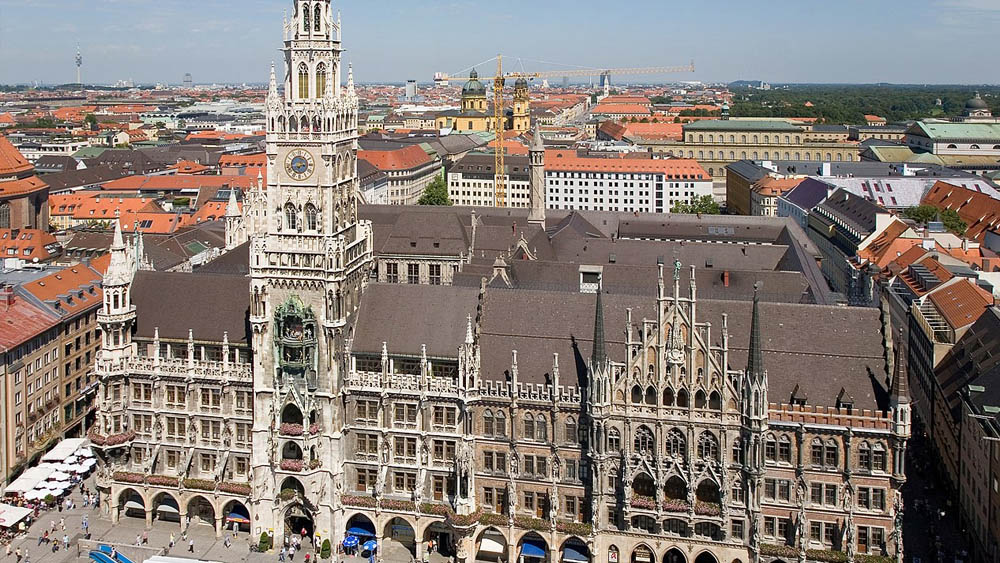


Lisbon Travel Guide: Lisbon, the capital of Portugal and one of the most enchanting cities in Europe, awaits us. With its historical texture, breathtaking views, and vibrant atmosphere, Lisbon manages to captivate every visitor. The richness of places to visit in the city brings along numerous options that cater to every taste. With its historical castles, magnificent churches, colorful streets, and famous trams, Lisbon is a treasure waiting to be discovered in every corner. With its unique architectural structures, delightful squares, and delicious local cuisine, Lisbon offers an unforgettable travel experience.
Belém Tower:


The Iconic Symbol and Historical Heritage of Lisbon
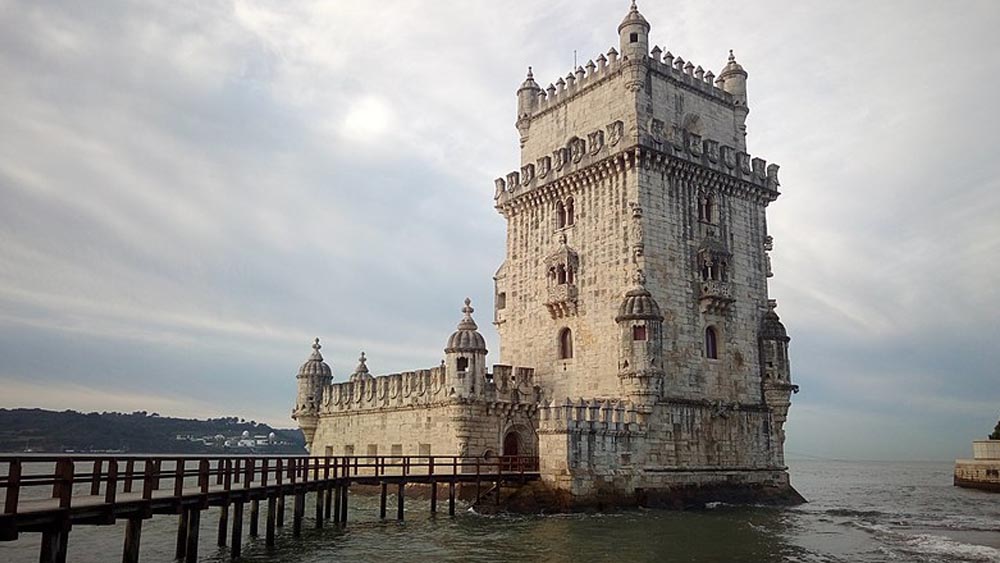
Belém Tower (Portuguese: Torre de Belém) is one of the most famous symbols of Lisbon, Portugal, and a historical heritage. It is located in the district of Belém, along the banks of the Tagus River. Here is some information about Belém Tower:
- History: Belém Tower was built in the 16th century by the Portuguese royal architect Francisco de Arruda. The tower played a strategic role in preparing for the exploration voyages of Portuguese explorers during the Age of Discovery and in controlling the sea port. It also served as a connection point with Portugal’s colonies in South America and India.
- Architecture: Belém Tower was built in the Manueline (Portuguese Gothic) style and stands out with intricate decorations typical of that period. Made of white stone, the tower has a four-story structure. The first floor has a square plan and a solid fortress appearance, while the upper floors are more ornate and detailed. The view of the river from the top floor is magnificent.
- Function: Belém Tower was constructed as a defensive tower. In the past, it was used to control the entrance of Lisbon and protect against attacks. It is also known that sailors used to visit the tower to pray before embarking on their journeys. Today, it serves as a tourist attraction and a symbolic icon of Lisbon.
- Visit: Belém Tower is a popular visit point for tourists. It is possible to enter the tower and explore its interior. By climbing the stairs inside the tower, you can enjoy the magnificent views. Moreover, you can find interesting information about Lisbon’s maritime history and explorations in the exhibitions held inside the tower.
- Surroundings: The area surrounding Belém Tower is filled with other important historical and touristic sites. Close to Belém Tower, there are other notable structures such as Jerónimos Monastery and the Monument to the Discoveries, which are worth seeing. Additionally, there is a famous pastry shop called Pasteis de Belém located in the Belém district, where you can taste Portugal’s famous Pastel de Nata dessert.
Belém Tower is just one of the historical and cultural treasures of Lisbon. With its historical texture, impressive architecture, and river view, this iconic structure is an important reminder of Portugal’s Age of Discovery.
Jeronimos Monastery:

Gothic Marvel and a Hidden Treasure Awaiting Discovery
Jeronimos Monastery (Portuguese: Mosteiro dos Jerónimos) is an impressive structure located in the Belém district of Lisbon, Portugal. Built in the Gothic style, this monastery holds great historical and architectural significance. Here is some information about Jeronimos Monastery:
- History: Jeronimos Monastery was started to be constructed by Portuguese royal architects Diogo de Boitaca in the 16th century and was completed in 1501. The monastery was commissioned by King Manuel I of Portugal to pray for the successes of the Age of Discoveries and the prosperity of Portugal.
- Architecture: Jeronimos Monastery incorporates influences from the Gothic style as well as a style called Manueline. This style, also known as Portuguese Gothic, dominates the decorations of the monastery with maritime and exploration themes. Its exterior stands out with finely crafted stone details, arches, towers, and rosette windows. The interior spaces are filled with enchanting proportions and ornamentation.
- Points of Interest to Discover: When visiting Jeronimos Monastery, you may want to see some important highlights. The Hall of the Cross, located inside, showcases astonishing architecture adorned with beautiful arches and columns. Additionally, the Hall of Discoveries, associated with the Age of Discoveries, is worth seeing, as it houses royal tombs. The monastery’s church is also highly impressive, and it serves as the final resting place for many historical figures, with the most famous being Portuguese explorer Vasco da Gama.
- UNESCO World Heritage Site: Jeronimos Monastery was inscribed on the UNESCO World Heritage List in 1983. This prestigious status highlights the historical and cultural significance of the monastery. It is a popular destination for tourists and history enthusiasts alike.
- Recommendation: Jeronimos Monastery may be calmer when visited in the morning hours, especially for those seeking a more serene experience. Additionally, spending some time in the surrounding park and enjoying the view can be a delightful opportunity.
Jeronimos Monastery is one of Lisbon’s most important and impressive structures. It captivates visitors with its historical and architectural beauty, making it a must-see place for those who wish to explore Portugal’s rich cultural heritage.
São Jorge Castle:

A Historical Journey at the Highest Point of Lisbon
São Jorge Castle (Portuguese: Castelo de São Jorge) is an impressive castle located at the highest point of Lisbon, Portugal. With its historical and cultural significance, this castle has become a symbolic icon of Lisbon. Here is some information about São Jorge Castle:
- History: São Jorge Castle was built by the Romans in the 1st century BC. However, its current form is largely a result of being recaptured from the Moors in the 11th century and rebuilt by Afonso Henriques, the founder of Portugal. The castle has played an important role in Lisbon’s history and has witnessed many wars and sieges.
- Location: São Jorge Castle is situated in the Alfama neighborhood, the historical center of Lisbon. Due to its elevated position, the surrounding views from the castle are magnificent. Although climbing up to the castle requires some effort, you can discover the breathtaking panoramic view of Lisbon once you reach the top.
- Exploring the Castle: When visiting São Jorge Castle, it is recommended to allocate a few hours to explore the castle. You can discover the historical walls, towers, courtyards, and gardens of the castle. Additionally, you can learn more about the history of Lisbon at the Museum and Archaeology Department within the castle. There are also cafes and restaurants within the castle, allowing you to complete your visit with a pleasant break.
- Panoramic Views: São Jorge Castle is famous for its stunning surrounding views. Once you ascend to the castle, you can see the city of Lisbon, the Tagus River, the 25 de Abril Bridge, and breathtaking views of different areas of the city. Walking along the castle walls is especially enjoyable to soak in these views.
- Events and Performances: São Jorge Castle also hosts various events and performances. Activities such as historical reenactments, music concerts, and art events can make your visit even more enjoyable. It’s a good idea to check the current event program before your visit.
São Jorge Castle stands out as an essential stop for those who want to explore the historical and cultural fabric of Lisbon. With its historical atmosphere, magnificent views, and diverse activities, it offers visitors an unforgettable experience.
Alfama District:

Exploring the Historical Heart and Narrow Streets of Lisbon
Alfama is a neighborhood in Lisbon that is considered the historical heart of the city and is famous for its narrow streets. This area is a place where local life and traditions are still vibrant, carrying the traces of the past. Here is some information about the Alfama District:
- History: Alfama is one of the oldest neighborhoods in Lisbon. Once a place where Muslims lived during the Middle Ages, Alfama later became a settlement for Christians as well. Therefore, it is possible to see both Islamic and Christian influences in the area.
- Narrow Streets: Alfama is renowned for its narrow and labyrinth-like streets. These streets are filled with cobblestones, slopes, stairs, and passageways. While exploring the area, it can be a delightful experience to discover the streets adorned with traditional colorful houses and hanging laundry. Additionally, you can taste local flavors at small cafes or restaurants along the streets.
- Miradouros (Panoramic Views): Alfama is famous for several miradouros (viewpoints) that offer the best panoramic views of Lisbon. Portas do Sol and Santa Luzia Miradouros are located on the hills of the neighborhood and are ideal spots to relax while admiring the old city views of Lisbon.
- Fado Music: Alfama is known as the birthplace of Fado, a traditional Portuguese music genre. Fado is recognized for its deep emotional content and nostalgic melancholy. The neighborhood is home to many Fado houses, where you can attend live performances by local artists and enjoy the beauty of this poignant music.
- São Jorge Castle: Alfama is also home to São Jorge Castle. By climbing up to the castle, you can not only explore the historical fortress itself but also enjoy the breathtaking view of Lisbon.
The Alfama District is a must-visit for those who want to feel the historical and cultural fabric of Lisbon. Getting lost in its narrow streets, experiencing traditional life, and immersing in the unique atmosphere of Lisbon are wonderful options.
Baixa Pombalina:

Fascinating Trip with the Central Squares and Historic Streets of Lisbon
Baixa Pombalina is a central and historic district of Lisbon. This area was planned by Marquis de Pombal during the reconstruction of Lisbon after a devastating earthquake in 1755. Here is some information about Baixa Pombalina:
- History: Baixa Pombalina was rebuilt in the late 18th and early 19th centuries. Marquis de Pombal designed the area with wide and straight streets to ensure its orderly and resilient structure. This created a safer city center by avoiding narrow streets and chaos.
- Streets and Squares: The most famous street in Baixa Pombalina is Rua Augusta. This street is one of Lisbon’s liveliest and busiest thoroughfares. Other important streets include Rua dos Fanqueiros, Rua da Prata, and Rua do Ouro. Additionally, the district is home to significant squares such as Praça do Comércio (Commerce Square), Rossio Square, and Restauradores Square.
- Pombaline Style: The architecture of Baixa Pombalina follows a style known as Pombaline. This style is characterized by symmetrical layouts, plain facades, cut stone, and minimal ornamentation. The buildings in the area were constructed in accordance with this style, and many original structures have been well-preserved.
- Shops and Restaurants: Baixa Pombalina is renowned for its shops, cafes, and restaurants. The area offers a diverse range of options, from local products to souvenirs, fashion stores to antique shops. Additionally, you can sample the flavors of Portuguese cuisine at the restaurants in the district.
- Public Transportation: Baixa Pombalina is easily accessible through Lisbon’s transportation network. The area has metro stations, tram lines, and bus stops, allowing for convenient travel to other parts of the city.
Baixa Pombalina provides visitors with a captivating experience through its historic streets, squares, and shopping opportunities. Being the central district of Lisbon, it is a fantastic choice to immerse yourself in the city’s history and vibrant atmosphere.
Rossio Square:

The Meeting Point of Lisbon and the Grandeur of Historical Monuments
Rossio Square is one of the most famous squares in Lisbon and is known as the meeting point of the city. Located in the central area of Lisbon, this square stands out with its historical and architectural significance. Here is some information about Rossio Square:
- History: Rossio Square has been an important square in Lisbon since the Middle Ages. It started to be used for fairs and events held here in the 13th century. Later, designs were made in the 19th century to enhance the attractiveness of the square.
- Design: Rossio Square is considered one of Lisbon’s most impressive squares. Covering a wide area with a flat terrain, the square is adorned with beautiful stone pavement. In the center of the square stands the Dom Pedro IV Statue, erected in 1889. The square also features fountains and ornate buildings.
- Historical Monuments: There are many historical monuments around Rossio Square. One of them is Rossio Theatre, built in the 19th century and designed in the Neoclassical style. The theater has been a center for both local and foreign theatrical performances. Additionally, the D. Maria II National Theatre, located near the square, is also a significant structure.
- Cafe Nicola: The famous Cafe Nicola, located in Rossio Square, is one of Lisbon’s oldest and most prestigious cafes. Operating since the 18th century, this café is known for its historical atmosphere and delicious coffees. While exploring Rossio Square, you can take a break at Cafe Nicola and enjoy the taste of traditional Portuguese coffee.
- Meeting Point: Rossio Square is a meeting point for both locals and tourists. You can sit on the benches in the square, observe the surrounding activities, or choose this place to meet with your friends. Additionally, the surrounding shopping streets, restaurants, and shops add liveliness to the square.
With its historical monuments, impressive design, and vibrant atmosphere, Rossio Square is an important attraction in Lisbon. Visiting this square while exploring the city is a great opportunity to experience Lisbon’s history and culture more closely.
Elevador de Santa Justa: (Santa Justa Elevator)
The Historical Elevator of Lisbon and the Enjoyment of Panoramic Views
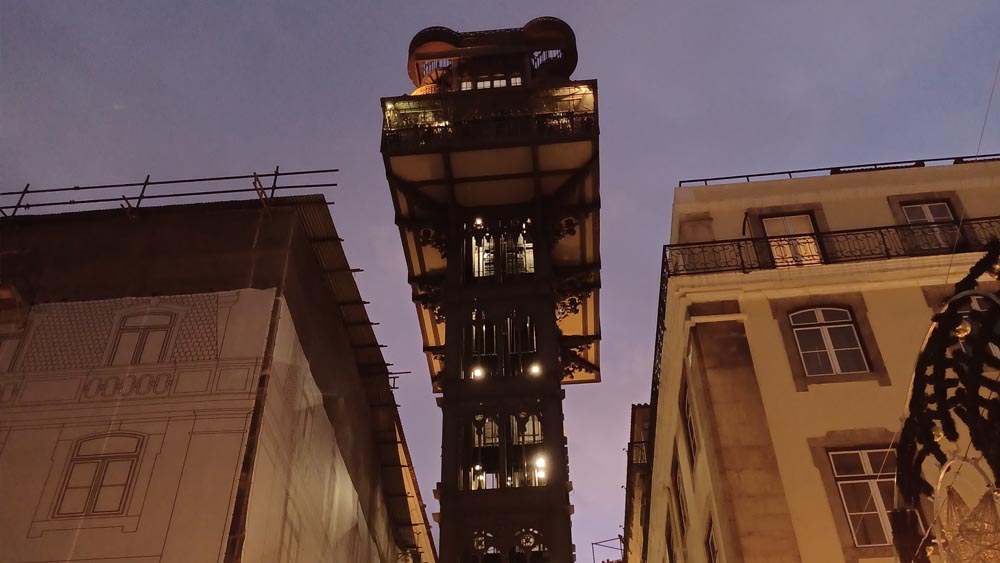
Elevador de Santa Justa is a historical elevator in Lisbon and a wonderful option to explore the city’s panoramic views. Here is some information about Elevador de Santa Justa:
- History: Elevador de Santa Justa was constructed in the late 19th century. It was designed by Raul Mesnier du Ponsard, a student of Gustave Eiffel. The elevator was built to facilitate transportation between the lower and upper levels of the Baixa Pombalina district.
- Architecture: Elevador de Santa Justa was inspired by Gothic and Neo-Moorish styles. It is adorned with cast iron and beautiful filigree work. The terrace on the top floor of the elevator is used as an observation point, offering breathtaking views of the city.
- Opening Hours: Elevador de Santa Justa generally operates from morning until late at night. However, the opening hours may vary, so it’s important to check the current schedule before visiting.
- Panoramic Views: The terrace on the top floor of the elevator provides magnificent panoramic views. From there, you can see the historic center of Lisbon, the Tagus River, and the beauty of the surrounding hills. Additionally, important tourist spots like St. George’s Castle can also be seen.
- Access to Baixa-Chiado Area: Elevador de Santa Justa ascends to Largo do Carmo in the Baixa Pombalina district. This area is one of Lisbon’s popular regions, hosting shopping, restaurants, and tourist attractions. By using the elevator, you can easily access the Baixa area and enjoy all it has to offer.
Elevador de Santa Justa is an elevator of historical and architectural significance in Lisbon. Both the elevator itself and the panoramic views it offers from its terrace provide an unforgettable experience for visitors who wish to discover the beauty of Lisbon.
Tram 28:

Exploring the City with Lisbon’s Legendary Tram 28
Tram 28 is the legendary tram line of Lisbon and a popular means of transportation to explore the city’s historical areas. Here is some information about Tram 28:
- Route: Tram 28 follows a route that starts from the central areas of Lisbon and explores the city’s historical neighborhoods. The route begins at Campo Ourique and passes through significant areas such as Graça, Alfama, Baixa, and Estrela. It is a great option for visitors who want to discover Lisbon’s historical and cultural heritage.
- Legendary Experience: Tram 28 is popular among both locals and tourists, offering a legendary experience. The wooden-paneled and antique-style trams create a nostalgic atmosphere and provide an unforgettable journey through the narrow streets of the city.
- Historical Neighborhoods: Along the route of Tram 28, you will find numerous historical neighborhoods and tourist attractions. The Graça neighborhood is home to important places such as St. George’s Castle and the Panoramic Viewpoint. The Alfama neighborhood is known for its narrow streets, historic buildings, and being the heart of Fado music.
- Scenic Views: You can enjoy breathtaking views along the route of Tram 28. As you descend from the hills, you can see the beauty of Lisbon, its castles, river views, and colorful streets. Exploring Lisbon’s panoramic views while having an unforgettable tram journey will be a captivating experience.
- Popularity and Frequency: Tram 28 is one of Lisbon’s most popular tram lines and is often preferred by tourists. Therefore, keep in mind that the tram can be crowded, especially during the tourist seasons, and you may need to wait. However, it offers a valuable experience to feel the atmosphere of the city and explore important areas.
Tram 28 is an excellent choice to discover the city as Lisbon’s legendary tram line. It provides an unforgettable experience for visitors who want to visit historical neighborhoods and enjoy stunning views.
Chiado District:
The Heart of Art and Culture and Lisbon’s Trendy Neighborhood
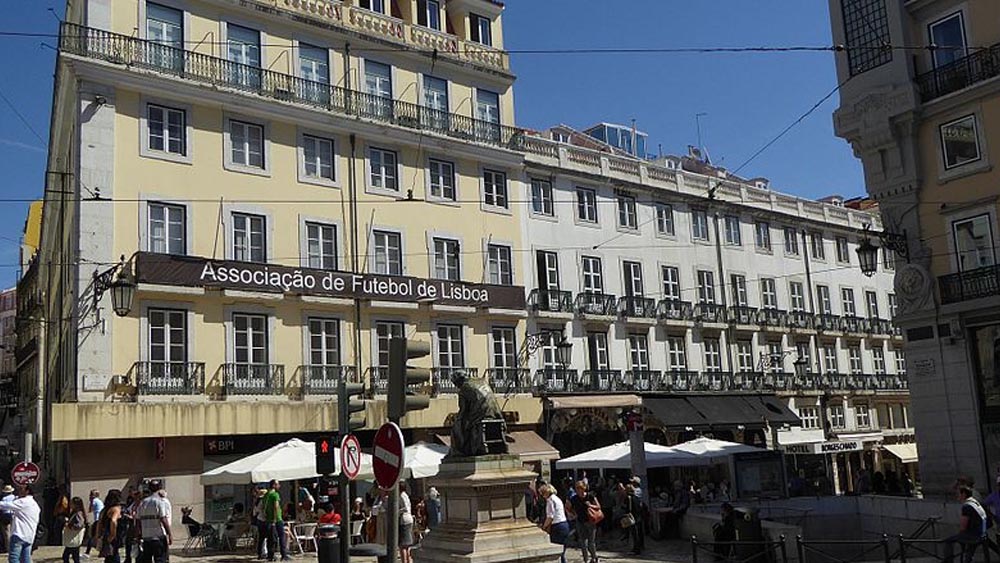
Chiado is considered the heart of art and culture in Lisbon and is a trendy neighborhood visited by both locals and tourists. It is famous for its art galleries, theaters, cafes, and restaurants. Here is more information about the Chiado district:
- History: Chiado is one of the oldest neighborhoods in Lisbon and became the center of literature and art in the 19th century. However, a major fire in 1988 caused significant damage to the area, but it was restored and revitalized. Today, there is a beautiful balance between modern buildings and historic structures.
- Art and Culture: Chiado is a hub for art enthusiasts. The area is home to numerous art galleries, museums, and theaters. The Berardo Museum showcases contemporary art, while the São Carlos National Theater hosts opera and musical performances. Additionally, Brasileira Cafe, where Fernando Pessoa also frequented, is an important stop for literature lovers.
- Shopping: Chiado is also an attractive area for shopping enthusiasts. Rua Garrett is one of the main streets in the area and is famous for its boutique shops, designer brands, and renowned bookstores. Additionally, the shopping center called Armazéns do Chiado offers various stores and restaurants.
- Vibrant Atmosphere: Chiado boasts a lively and energetic atmosphere in Lisbon. Exploring the neighborhood’s narrow streets, outdoor cafes, and street artists is a delightful experience. The nightlife is also vibrant, with bars, nightclubs, and live music venues.
- Proximity to Baixa and Bairro Alto: Chiado is conveniently located near other popular areas in Lisbon, such as Baixa and Bairro Alto. The Baixa district is known for its shopping streets, historic squares, and cathedrals. Bairro Alto is a neighborhood renowned for its nightlife and bars. Chiado serves as an excellent starting point for exploring these areas as they are within walking distance.
The Chiado district is one of Lisbon’s trendiest and most popular neighborhoods, offering art, culture, shopping, and a vibrant atmosphere. Visitors can have an unforgettable experience by exploring the area, spending time in beautiful cafes, visiting art galleries, and savoring the historic ambiance.
Miradouro da Senhora do Monte:

Panoramic Views with the Best Scenery in Lisbon
Miradouro da Senhora do Monte is an observation point in Lisbon that offers some of the best panoramic views. Here’s more information about Miradouro da Senhora do Monte:
- Location: Miradouro da Senhora do Monte is located in the Graça neighborhood of Lisbon. Situated on one of the highest points in the city, it boasts magnificent panoramic views.
- Panoramic Views: From Miradouro da Senhora do Monte, you can take in breathtaking views that span its surroundings. You’ll encounter stunning sights of the Tagus River, St. George’s Castle, Baixa Pombalina, and other historic districts. Additionally, beautiful sunset views can be enjoyed from this vantage point.
- Miradouro da Senhora do Monte Chapel: The observation point derives its name from a small chapel located there. Built in the 17th century, this chapel holds great religious significance among the local population. Surrounding the chapel, there are benches where you can relax or observe the scenery up close.
- Tranquil Environment: Miradouro da Senhora do Monte provides a serene and peaceful atmosphere. The surrounding trees and green areas offer visitors an opportunity to rest and savor the view. Additionally, as it may be less known among tourists, it tends to be less crowded.
- Transportation: To reach Miradouro da Senhora do Monte, you can use public transportation such as trams or buses. Being located in the Graça neighborhood, it is easily accessible from the city center. Walking or cycling is also a preferred option.
Miradouro da Senhora do Monte is one of the best spots in Lisbon to enjoy panoramic views. By coming here, you can admire the city’s beauty from a bird’s-eye perspective and relax in a peaceful environment. It is a recommended stop for visitors who want to take memorable photographs and experience the enchanting scenery of Lisbon.
Parque das Nações:

The Modern Face and Entertainment Center of Lisbon
Parque das Nações is a region that represents the modern face and entertainment center of Lisbon. Located where the Expo ’98 World Fair took place, this area is famous for its innovative architecture, parks, shopping malls, restaurants, and many other entertainment options. Here is more information about Parque das Nações:
- Expo ’98: Parque das Nações is the area where the Expo ’98 World Fair took place in 1998. The fair was carried out as a project to revitalize the former industrial area in the east of Lisbon. After the fair, the area was transformed into a modern urban district.
- Oceanarium: One of the most famous attractions in Parque das Nações is the Oceanarium, which is the largest aquarium in Europe. Here, you can observe thousands of marine creatures from different ocean ecosystems. It offers an impressive experience, including sea turtles, sharks, sea lions, and many other species.
- Teleférico: The area also features a cable car line called Teleférico da Expo. This cable car offers visitors a pleasant ride over the Tejo River. You can enjoy panoramic views of the city from above and explore the beauty of Parque das Nações.
- Vasco da Gama Bridge: Parque das Nações is connected to the famous Vasco da Gama Bridge. This bridge crosses the Tejo River and is one of the longest bridges in Europe with a length of 17.2 kilometers. It connects Parque das Nações to the city center and has become one of the symbols of the region.
- Shopping Malls and Restaurants: Parque das Nações is rich in shopping malls, boutique stores, and restaurants. Vasco da Gama Shopping Mall offers various brands, as well as restaurants and cinemas. Additionally, there are restaurants in the area that offer flavors from many different cuisines.
- Parks and Recreation Areas: Parque das Nações is also famous for its green spaces and recreation areas. A wide park along the banks of the Tejo River is an ideal place for walking, cycling, or simply enjoying the natural beauty.
Parque das Nações is an ideal area for visitors who want to experience modernity and entertainment in Lisbon. Thanks to the transformation that began with Expo ’98, the region has a vibrant atmosphere and offers various events, shopping opportunities, and entertainment choices. By visiting Parque das Nações, you can discover the modern face of Lisbon and have a pleasant time.
LX Factory:
The Creative and Alternative Art Center of Lisbon
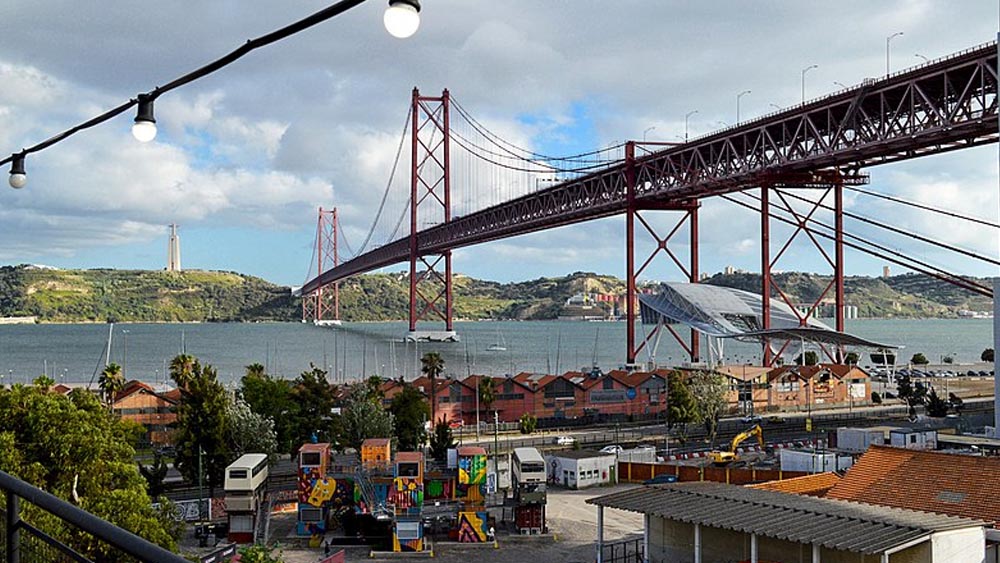
LX Factory is one of Lisbon’s creative and alternative art centers. This former industrial area has been transformed into a space with restored factories and warehouses. Here is more information about LX Factory:
- Location: LX Factory is located in the Alcântara neighborhood of Lisbon. Despite being slightly outside the city center, it is easily accessible by public transportation.
- Art and Culture: LX Factory hosts various events in the fields of art, design, and culture. It has diverse spaces such as art galleries, workshops, design studios, and independent bookstores. Additionally, theater performances, concerts, exhibitions, and other events are organized.
- Creative Shops and Boutiques: LX Factory houses several shops run by independent designers and local entrepreneurs. Here, you can find unique handmade products, fashion items, furniture, home goods, and other creative products. It is an ideal place to discover different and original pieces while shopping.
- Restaurants and Cafés: LX Factory offers a variety of restaurants and cafés that serve flavors from different cuisines. You can find a wide range of dining options, from traditional Portuguese cuisine to international dishes. There are also venues where you can enjoy a pleasant evening with live music performances.
- Street Art and Vibrant Atmosphere: LX Factory boasts a rich environment in terms of street art. Walls, buildings, and streets are adorned with colorful graffiti and murals, adding energy and liveliness to the area. Moreover, the atmosphere of LX Factory is often vibrant and lively, especially during weekends when events and markets take place.
- Events and Markets: LX Factory regularly hosts events and markets. Book fairs, vintage markets, craft markets, and other special events offer visitors unique experiences. These events provide an opportunity to meet local artists and designers and discover one-of-a-kind products.
LX Factory is a vibrant art center where creativity and alternative culture take center stage. Here, you can enjoy local art and design, find unique products, and immerse yourself in a lively atmosphere. By visiting LX Factory, you can explore Lisbon’s creative and alternative art scene.
Panteão Nacional: (National Pantheon)

The History and Cultural Treasure of Lisbon
The National Pantheon is one of Lisbon’s historical and cultural treasures. This impressive structure serves as a mausoleum, housing the memories and tombs of prominent figures in Portugal’s history. Here is more information about the National Pantheon:
- Location: The National Pantheon is located in the Alfama district of Lisbon, within a building also known as the Basilica of Santa Engrácia. It sits atop a hill, commanding a prominent position overlooking the city.
- History and Architecture: The National Pantheon was constructed as a project that began in the 17th century but took many years to complete. The basilica boasts an impressive architecture reflecting the influences of Baroque and Rococo styles. Its interior features remarkable frescoes, sculptures, and decorations.
- Mausoleum: The National Pantheon houses the memories and tombs of significant figures in Portugal. Among these are writers, artists, politicians, military leaders, and other notable personalities. It is the final resting place of famous Fado singers like Amália Rodrigues and figures who played a crucial role in the establishment of the Portuguese Republic.
- Panoramic Views: Due to its elevated position, the National Pantheon offers panoramic views of the surrounding area. From its summit, visitors can enjoy views of the Tagus River, the Alfama district, and the cityscape. The terrace area is particularly popular for taking beautiful photographs.
- Exhibitions and Events: The National Pantheon hosts various exhibitions and events related to history and culture. Art exhibitions, concerts, conferences, and other cultural activities provide visitors with diverse experiences.
The National Pantheon is an essential stop for history and culture enthusiasts in Lisbon. Here, you can pay respect to Portugal’s esteemed figures, explore impressive architecture, and enjoy panoramic city views. During your visit, you can also learn more about Portugal’s rich past and cultural heritage.
Ajuda Palace:

A Historical Journey in the Splendid Palace of Lisbon
The Ajuda Palace is one of the splendid palaces of Lisbon and is an excellent place for embarking on a historical journey. This palace was built for the Portuguese royal family in the 19th century and is now open to the public as a museum. Here is more information about the Ajuda Palace:
- Location: The Ajuda Palace is located in the Ajuda district in the western part of Lisbon. It is situated near the Belem district and boasts a beautiful position overlooking the Tagus River.
- History and Architecture: The Ajuda Palace features an architecture influenced by Neoclassical and Baroque styles. The construction of the palace began in the 19th century but took many years to complete. The palace’s interior captures attention with its rich ornamentation, frescoes, and valuable furniture. Additionally, the palace houses a large library and galleries.
- Palace Museum: The Ajuda Palace now serves as a museum. The museum showcases the history of the palace, the life of the Portuguese royal family, and important artworks of the era. Visitors can explore the royal chambers, the throne room, the jewelry collection, and other rich exhibitions. The museum provides visitors with significant insights into Portugal’s monarchical past.
- Gardens: Beautiful gardens surround the Ajuda Palace. The gardens offer a pleasant environment with well-maintained pathways, fountains, and statues, allowing for a delightful stroll. Moreover, you can enjoy panoramic views of the city from the gardens.
- Guided Tours and Activities: The Ajuda Palace regularly hosts guided tours and special events. By joining a guided tour, you can learn about the history of the palace and its important details. Additionally, special events, concerts, and other cultural activities may be organized.
The Ajuda Palace is a significant stop to embark on a historical and cultural journey in Lisbon. The palace’s splendid architecture, rich interiors, and artworks provide visitors with a window into Portugal’s monarchical era. Walking in the palace gardens and participating in activities also offer an enjoyable experience. By visiting the Ajuda Palace, you can discover Lisbon’s historical and cultural heritage.
Gulbenkian Museum:

One of Lisbon’s Must-Visit Stops for Art Lovers
The Gulbenkian Museum is one of the essential stops for art lovers in Lisbon. This prestigious museum is home to a globally recognized art collection. Here is more information about the Gulbenkian Museum:
- Location: The Gulbenkian Museum is located close to the center of Lisbon. It is situated just outside the city center, in the Saldanha district. It provides easy transportation and accessibility for visitors.
- Collection: The Gulbenkian Museum collection encompasses significant artworks from around the world. The museum houses various pieces from different periods and cultures, including Egyptian artifacts, Greek and Roman sculptures, Eastern art, European paintings, and manuscripts. Additionally, the museum showcases modern and contemporary art.
- Calouste Gulbenkian Foundation: The Gulbenkian Museum was established by the Calouste Gulbenkian Foundation. The foundation was founded by Calouste Gulbenkian, an Armenian businessman who played a significant role in the early 20th-century oil industry and trade. The foundation engages in activities related to art, culture, education, and social services.
- Exhibitions and Events: The Gulbenkian Museum regularly hosts temporary exhibitions and events. Visitors can explore the works of renowned artists, retrospective exhibitions, and thematic displays. Additionally, they can participate in concerts, workshops, seminars, and film screenings.
- Gardens: The surroundings of the Gulbenkian Museum feature beautiful gardens. These gardens offer visitors a pleasant space for relaxation and enjoying green areas. The presence of a pond and walking paths creates a peaceful atmosphere.
The Gulbenkian Museum provides a rich and diverse experience for art lovers. Its collection showcases valuable artworks with historical and cultural significance. By visiting the museum, you can explore various periods and cultures of art. Additionally, you can experience the vibrancy of art through organized exhibitions and events.
Estrela Basilica:

The Baroque Marvel and Religious Wealth of Lisbon
The Estrela Basilica is one of Lisbon’s Baroque wonders and an important religious structure. This magnificent basilica is located in the Estrela neighborhood of Lisbon. Here is more information about the Estrela Basilica:
- Architecture: The Estrela Basilica is a structure built in the Baroque style in the 18th century. It stands out for its rich embellishments and details, particularly on its exterior facade and interior spaces. The interior features a spacious nave and a high dome. Additionally, the splendid staircase and towers on the basilica’s facade are eye-catching.
- Grandeur of the Main Chapel: One of the most remarkable parts of the Estrela Basilica is the main chapel. Within this large and luminous space, there is a high ceiling and a magnificent altar adorned with intricate gold carvings. The surrounding side chapels and the rooms of the priests are also worth seeing.
- Tomb of Queen Maria I: The Estrela Basilica is home to the mausoleum of Queen Maria I of Portugal. This tomb is located within a chapel adorned in the Baroque style. Maria I is an important figure in Portuguese history, and the basilica commemorates her legacy.
- Gardens: Surrounding the Estrela Basilica, there is a large and beautiful park and garden area. These gardens offer visitors an opportunity for relaxation and strolling. The pond, sculptures, and green spaces within the gardens create a peaceful atmosphere.
The Estrela Basilica is an important stop for those wishing to explore the religious wealth and Baroque architecture in Lisbon. The splendid interior of the basilica, remarkable details, and historical monuments can impress visitors. Additionally, you can enjoy a peaceful time and admire the beautiful views of the city in the surrounding gardens. The Estrela Basilica offers a window into Lisbon’s historical and cultural heritage.
Santa Maria Maior Cathedral:

Lisbon’s Oldest Cathedral and Its Historical Values
Santa Maria Maior Cathedral is Lisbon’s oldest cathedral and an important historical structure. It is also known as “Sé Cathedral” or “Lisbon Cathedral.” Here is more information about Santa Maria Maior Cathedral:
- History: Santa Maria Maior Cathedral began construction in the 12th century. However, it has undergone various repairs and renovations over time. As a result, the cathedral’s architecture reflects a mix of Gothic and Romanesque styles.
- Location: The cathedral is located in Lisbon’s Alfama district. Situated near the historic center, the cathedral offers easy access to visitors.
- Architecture: The exterior of Santa Maria Maior Cathedral is quite impressive. Particularly, the grand rose window and towers on the facade catch the eye. Inside, there is a spacious nave, high arches, and chapels. Additionally, the cathedral’s cemetery is worth a visit.
- Historical Values: Santa Maria Maior Cathedral houses many historical and cultural treasures. The Chapel of the Holy Saints within the cathedral is considered a significant religious monument. Furthermore, the cathedral’s museum exhibits important works of religious art, sculptures, paintings, and manuscripts.
- Panoramic Views: Visitors can enjoy city views from certain points of the cathedral. In particular, the cathedral’s terrace offers a glimpse of Lisbon’s beautiful panorama. This provides visitors with an unforgettable experience.
Santa Maria Maior Cathedral reflects Lisbon’s historical and religious significance. It captivates visitors with its architectural beauty and historical values. Exploring the interior of the cathedral allows you to discover religious artworks and admire the city’s stunning views from its terrace. Santa Maria Maior Cathedral is an essential stop for those who want to embark on a historical and cultural journey in Lisbon.
Cais do Sodre:
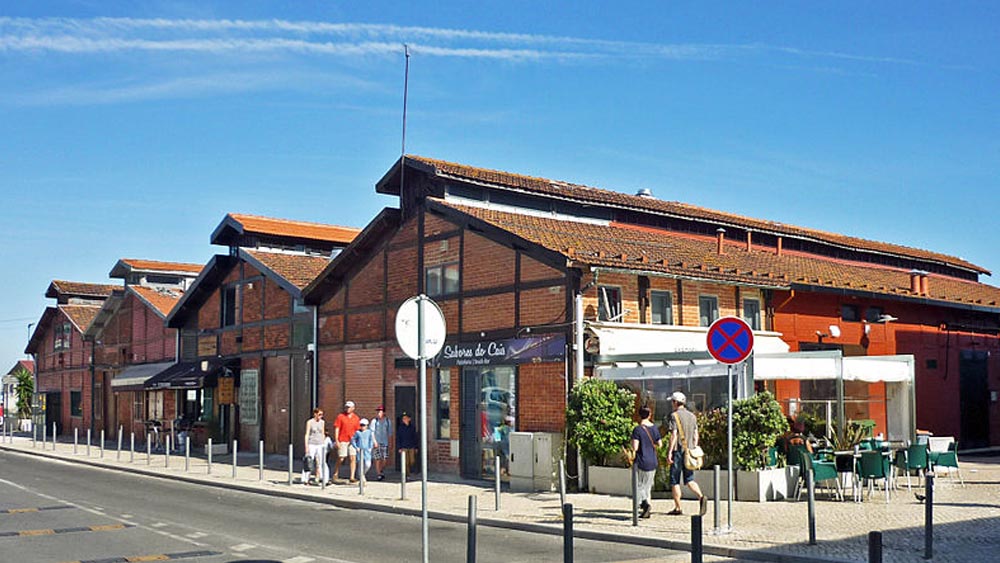
Entertainment and Vibrancy on the Coast of Lisbon
Cais do Sodre is an area located on the coast of Lisbon and is one of the centers of entertainment and vibrancy in the city. This area offers visitors a pleasant experience both during the day and at night. Here is more information about Cais do Sodre:
- Location: Cais do Sodre is situated in close proximity to the center of Lisbon. It is located on the banks of the Tagus River, providing easy access to other areas of the city. Additionally, the Cais do Sodre metro station is also located here.
- Seaside: Cais do Sodre boasts a beautiful coastline. You can take a walk, ride a bike along the shore, or even take a swim in the sea. Moreover, you can enjoy the unique view of the Tagus River.
- Mercado da Ribeira: One of the most important points of interest in Cais do Sodre is Mercado da Ribeira. This historic market was built in the 19th century and has become a popular food and beverage market today. There are many different restaurants, cafes, and food stalls where you can try local flavors and have a delightful dining experience.
- Bars and Nightlife: Cais do Sodre is a lively area where the nightlife thrives. You can find many popular bars, nightclubs, and live music venues here. You can dance in a vibrant atmosphere, listen to live music, and have a fun time during the nights.
- Entertainment and Activities: Cais do Sodre offers various entertainment and activity options. You can rent a bike, go for a run along the seaside, or join boat tours. Additionally, you can watch street performers, go shopping, or stroll through the city streets.
Cais do Sodre is an ideal area for those seeking entertainment, relaxation, and vibrancy in Lisbon. You can enjoy the beauty of the seaside, savor delicious food at Mercado da Ribeira, and make the most of the nightlife. Cais do Sodre is a fantastic spot for visitors who want to feel the energy of Lisbon and experience the lively atmosphere of the city.
Mercado da Ribeira:

Gastronomic Discoveries at One of Lisbon’s Culinary Stops
Mercado da Ribeira is one of Lisbon’s prominent culinary stops and an ideal place for gastronomic discoveries. Here is more information about Mercado da Ribeira:
- Location: Mercado da Ribeira is located in the Cais do Sodre area. This large indoor market is situated in close proximity to Lisbon’s historic center, offering visitors easy access.
- Food Stalls: Mercado da Ribeira is filled with various food stalls and restaurants. Here, you can find delicious food from different cuisines. There are plenty of options available, including traditional Portuguese dishes like seafood, grilled meats, seafood specialties, and desserts. You can also find examples from international cuisines.
- Time Out Market: Mercado da Ribeira is a part of the famous Time Out Market. Time Out Market is a culinary hub where different restaurants come together. Here, you can taste dishes prepared by Lisbon’s top chefs and sample various cuisines. You can also visit stalls selling local produce and gourmet products.
- Vibrant Atmosphere: Mercado da Ribeira has a lively atmosphere. It is a place where locals and tourists come together. It is an ideal spot to explore flavors and try different tastes while strolling among the stalls and restaurants.
- Events and Workshops: Mercado da Ribeira occasionally hosts food-related events and workshops. You can watch demonstrations by local chefs, gain knowledge about cooking techniques, or participate in tasting events.
Mercado da Ribeira is an excellent place for those who want to embark on gastronomic discoveries in Lisbon. Here, you can find delicious food from different cuisines and experience traditional Portuguese flavors. With its vibrant atmosphere and various activities, Mercado da Ribeira is a must-visit culinary stop for food enthusiasts and gourmet lovers.
Bairro Alto:

The Neighborhood Where Lisbon’s Nightlife Beats
Bairro Alto is a neighborhood in Lisbon where the heartbeat of the city’s nightlife resonates and vibrant energy thrives. This area boasts an atmosphere where traditional and modern venues coexist. Here’s more information about Bairro Alto:
- Location: Bairro Alto is situated close to Lisbon’s historic center, within walking distance of Baixa Pombalina and Chiado districts. Due to its location on the city’s hills, it offers splendid views of its surroundings.
- Nightlife: Bairro Alto is a hub for nightlife. It is home to numerous bars, pubs, and nightclubs. The narrow streets of Bairro Alto offer plenty of options for evening entertainment. You can listen to performances by local musicians in live music venues or encounter people dancing in the streets.
- Street Art: Bairro Alto is also an important center for street art. Its streets are filled with graffiti and murals. By exploring these streets, you can observe art pieces and creative expressions.
- Restaurants and Cafés: Bairro Alto is filled with a variety of restaurants, cafés, and pastry shops. Here, you can try local flavors or find options from international cuisines. There are places where you can particularly enjoy traditional Portuguese cuisine.
- Historical and Cultural Values: The narrow streets and historic buildings of Bairro Alto are significant values that reflect the character of the area. Historic churches, squares, and buildings can be found here. While exploring the history and cultural heritage of Bairro Alto, you can embark on a journey through the city’s past.
Bairro Alto is an ideal area for those who wish to experience Lisbon’s nightlife. It is renowned for its lively atmosphere, bars, restaurants, and street art. While strolling through this neighborhood, you can indulge in different flavors, enjoy local music, and savor the nightlife. Bairro Alto is an essential stop for those seeking entertainment in Lisbon.
Sintra:
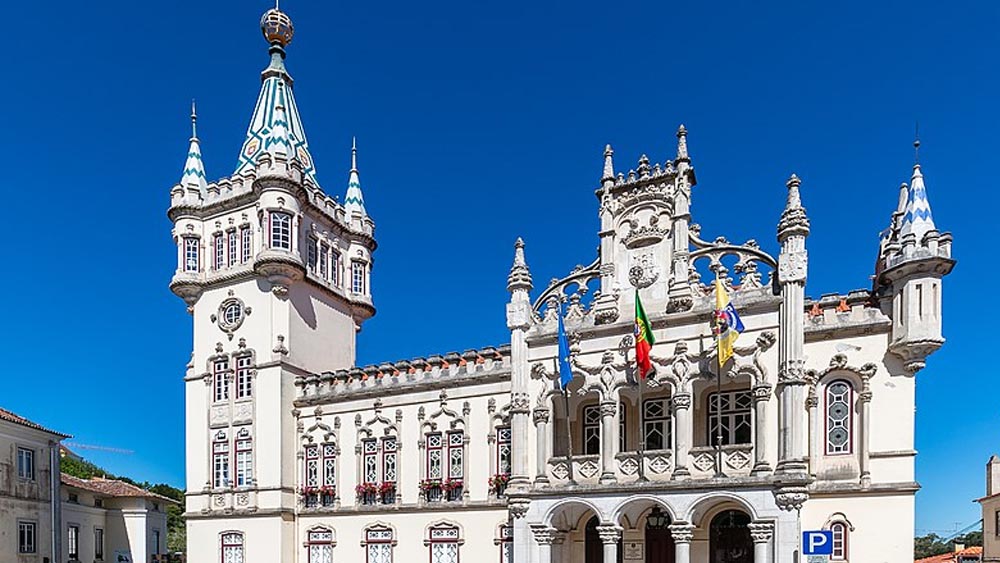
The Enchanting Town of Sintra and Its Historic Palaces
Sintra is a captivating town located just about 30 km north of Lisbon and is famous for its historic palaces. This unique and magnificent town holds many historical and cultural significances, listed as UNESCO World Heritage sites. Here is more information about Sintra:
- Location: Sintra is situated in close proximity to Lisbon, offering easy transportation options. You can reach Lisbon with a short train or bus journey. Additionally, Sintra’s natural beauty lies at the foothills of the Serra de Sintra mountains.
- Pena Palace: The most famous symbol of Sintra, Pena Palace, is a palace with a breathtaking view. With its colorful and eye-catching architecture, the palace presents a blend of Gothic, Renaissance, and Manueline styles. The palace gardens also provide visitors with a charming natural environment.
- Moorish Castle: The Moorish Castle, located in Sintra, is a historic fortress with a stunning view. Built in the 8th century, this castle was used by the Moorish Muslims before the conquest of Lisbon. From the castle, you can observe the surrounding natural beauty and the town panoramically.
- Sintra National Palace: Sintra National Palace is a historic palace situated in the center of Sintra. Bringing together Gothic and Manueline architectural styles, this palace was used by the Portuguese royal family. The palace’s interior and gardens offer visitors a magnificent atmosphere.
- Quinta da Regaleira: Another important place to visit in Sintra is Quinta da Regaleira. This mystical and enchanting garden and palace complex is filled with mysterious symbols, tunnels, wells, and water features. While exploring here, you can immerse yourself in a mystical atmosphere.
- Natural Beauties: Sintra is not only famous for its historical and cultural heritage but also for its natural beauty. The Serra de Sintra mountains, wooded areas, hiking trails, and breathtaking landscapes enchant visitors.
Sintra is undoubtedly one of the must-see places in Lisbon, with its historic palaces, enchanting atmosphere, and natural beauty. While exploring this town, you can discover the historical palaces, enjoy the natural wonders, and immerse yourself in the town’s magical ambiance. Sintra offers an unforgettable experience in Lisbon.
Cascais:

A Stylish Vacation Resort on the Coast of Lisbon
Cascais is a stylish vacation resort located on the coast of Lisbon. Situated approximately 30 km away from Lisbon, this seaside town is famous for its beautiful beaches, luxurious hotels, bustling marina, and historical charm. Here is more information about Cascais:
- Beaches: Cascais is renowned for its magnificent beaches. With pristine sands, crystal-clear waters, and opportunities for sunbathing, the beaches provide a relaxing retreat for holidaymakers. Some beaches offer a quieter and more peaceful atmosphere, while others are ideal for water sports and entertainment activities.
- Cascais Fortress: Cascais Fortress is a historical castle and museum located along the coastline. Built in the 16th century, the fortress offers visitors a journey through history. By climbing up to the fortress, you can enjoy breathtaking sea views and explore the exhibited artifacts.
- Boca do Inferno: Boca do Inferno, which translates to “Mouth of Hell,” is Cascais’ most iconic natural attraction, a rocky coastal area. It is famous for its caves and rock formations created by the waves of the Atlantic Ocean. You can come here to admire the beautiful scenery and revel in the natural beauty.
- Historic Center: Cascais’ historic center is enchanting with its narrow streets, colorful buildings, and historical squares. While strolling around, you can indulge in shopping at local shops, savor delicious meals at local restaurants, and immerse yourself in the historical ambiance.
- Marina: Cascais Marina is a vibrant yacht harbor filled with luxurious yachts and boats. You can take a leisurely walk here, savor seafood at restaurants, or join boat tours. It also offers plenty of opportunities for water sports enthusiasts.
- Cultural Events: Cascais hosts various cultural events and festivals. These include music, dance, art, and theater, enriching the cultural experiences of visitors.
Cascais is an excellent vacation destination due to its proximity to Lisbon and its coastal location. With its beautiful beaches, historical charm, and lively atmosphere, it offers visitors an unforgettable experience. If you are vacationing in Lisbon, considering a visit to Cascais is highly recommended.
Estoril:

Luxurious and Exciting Vacation Center of Lisbon
Estoril is known as a luxurious and exciting vacation center of Lisbon. Located on the southwest coast of Portugal, Estoril is a coastal town on the shores of the Atlantic Ocean. Here is more information about Estoril:
- Luxury Hotels and Resorts: Estoril is renowned for its luxury hotels, resorts, and stylish accommodation options. The region boasts numerous five-star hotels and boutique resorts. Visitors can enjoy staying in luxury rooms with sea views and indulge in high-quality services.
- Casino Estoril: Estoril is home to one of Europe’s largest casinos. Casino Estoril has gained fame as one of the centers of nightlife. The casino offers a wide range of entertainment options, including gaming tables, slot machines, restaurants, and nightclubs.
- Beaches: Estoril is also famous for its beautiful beaches. You can sunbathe, swim in the sea, or engage in water sports according to your preference. The beaches are generally clean and well-maintained, providing a comfortable beach experience.
- Golf: Estoril is a popular destination for golf enthusiasts as well. The region is home to several golf courses where you can play golf against the backdrop of the sea. Estoril offers exclusive courses that provide a delightful golfing experience for golf enthusiasts.
- Cultural and Historical Sites: Estoril and its surroundings have many cultural and historical sites to explore. You can visit magnificent structures like Sintra Castle and Pena Palace. Additionally, due to its proximity to Lisbon, Estoril serves as a base for exploring the historical areas and tourist attractions of Lisbon.
Estoril is an attractive destination for vacationers with its luxury hotels, exciting casinos, beautiful beaches, and golf courses. The unique atmosphere of the region and its diverse range of activities offer visitors an unforgettable holiday experience.
Cabo da Roca:

The Majesty of Nature at the Western Edge of Lisbon
Cabo da Roca is a peninsula located west of Lisbon, Portugal, and is considered the westernmost point of the European continent. Known for its natural beauty and breathtaking views, Cabo da Roca showcases the splendor of nature to its visitors. Here is some more information about Cabo da Roca:
- The Westernmost Point: Cabo da Roca represents the westernmost point of the European continent. A lighthouse located here offers visitors the opportunity to boast about this unique geographical location. By standing at this point, you can gaze upon the infinite ocean that extends to the other side of the world.
- Spectacular Scenery: Cabo da Roca boasts a dramatic and awe-inspiring landscape. High cliffs meet the foaming waves of the ocean. From here, you can observe the boundless ocean and the surrounding coastline. Enjoying good weather and a clear day, you can admire the breathtaking view.
- Hiking Trails: Cabo da Roca is home to fantastic hiking trails, perfect for exploring its natural beauty. While hiking, you can enjoy the surroundings and savor the magnificent coastal scenery. These trails provide a great experience for nature lovers and hikers alike.
- Lighthouse: The lighthouse at Cabo da Roca is one of the iconic structures in the region. Built in the 18th century, this lighthouse served to guide sailors and help them avoid dangerous cliffs. By visiting the lighthouse, you can discover a historic structure and enjoy the surrounding scenery.
- Historical Significance: Cabo da Roca has played an important role in Portuguese history. During the Age of Discoveries, it was regarded as the starting point for sailors’ exploration voyages. Therefore, Cabo da Roca holds significant historical and cultural importance.
Cabo da Roca, located west of Lisbon, is a unique place that allows you to experience the majesty of nature. With its stunning landscapes, lighthouse, and historical significance, it offers visitors an unforgettable experience.
Belem Pastelaria:

The Pastry Shop and Historic Place Famous for Lisbon’s Sweets
Belém Pastelaria is a renowned pastry shop and historic location in Lisbon. Situated in the Belém district, this pastry shop is a culinary heritage that offers some of Portugal’s most iconic sweets. Here’s more information about Belém Pastelaria:
- Historical Significance: Belém Pastelaria was established in 1837 and has become a historical and cultural symbol of Portugal. The pastry shop building showcases the Manueline style, which combines Gothic and Renaissance influences. This historical structure impresses visitors with its unique architecture.
- Pastry Delights: Belém Pastelaria is famous for serving the world-famous Belém Pastry (Pastel de Belém), a Portuguese sweet treat. This delicacy consists of a crispy pastry filled with a delicious vanilla cream and topped with powdered sugar. Belém Pastelaria is known as the only place that preserves the original recipe, allowing visitors to enjoy fresh and tasty pastries.
- Culinary Heritage: Belém Pastelaria is an integral part of Portuguese culinary heritage. The pastry shop offers not only the iconic Belém Pastry but also other traditional Portuguese sweets such as Bolo Rei (Portuguese King’s Cake), pastel de nata (Portuguese custard tart), and Travesseiros (almond-filled pastry cookies). These sweets reflect the richness of Portuguese cuisine.
- Touristic Destination: Belém Pastelaria is a popular stop for tourists in Lisbon. Many visitors are drawn to the pastry shop due to its historical and cultural significance. Additionally, its location in the Belém district provides an opportunity for visitors to enjoy a sweet break close to historical and touristic sites.
- Atmosphere and Experience: Belém Pastelaria offers a unique atmosphere. Visitors can savor Portuguese sweets in the pastry shop’s historical ambiance and indulge in the elegance and charm of the old world. Sitting in the café area inside the pastry shop, guests can enjoy their pastries accompanied by fresh coffee or tea, creating an unforgettable experience.
Belém Pastelaria is an excellent destination for those who want to taste Lisbon’s famous sweets and enjoy a delightful experience in a historic setting. Here, you can explore Portugal’s sweet heritage and have a unique culinary adventure.
Fado Müzesi:

Tracing the Path of Lisbon’s Emotional Music
The Fado Museum is a place where you can trace the path of Fado, Lisbon’s emotional and melancholic music. Fado is a unique music genre originating from Portugal, known for its expression of feelings through sad and heartfelt songs. Here’s more information about the Fado Museum:
- Explore Music History: The Fado Museum offers several exhibitions and performances that delve into the origins, history, and development of Fado music. Within the museum, you can explore stories about the birth of Fado, the lives of musicians, and the societal impact of the music.
- Visual and Auditory Experiences: The museum provides interactive and multimedia experiences for visitors. You can listen to historical recordings of Fado, watch performances by renowned Fado singers from the past, and discover musical instruments associated with the genre. Additionally, you can gain further insights into the poetic lyrics and emotional depth of Fado.
- Artworks by Artists: The Fado Museum also houses artworks related to Fado and its associated artists. You can see album covers, concert posters, photographs, and other art pieces related to Fado singers. These artworks emphasize the artistic and cultural dimensions of Fado music.
- Live Performances: The Fado Museum occasionally hosts live Fado performances. These performances allow you to experience the live renditions of traditional Fado singers. Immersed in the ambiance of live music, you can feel the sincere and emotional atmosphere of Fado.
- Insights into Fado: The Fado Museum provides insights to help you understand the cultural and emotional significance of Fado music. You can explore how Fado contributes to the character of Lisbon and its people’s emotional expressions, as well as gain an understanding of the music’s societal context.
The Fado Museum is an essential destination for those interested in Fado, Lisbon’s emotional music. Here, you can uncover the history, artists, and profound meaning of Fado, immersing yourself in the enchanting world of this unique music genre for an unforgettable experience.
Oceanario de Lisboa:

Journey to the Largest Aquarium of Lisbon and the Universe of Marine Life
Oceanario de Lisboa is a place where you can embark on a journey to the universe of marine life, serving as the largest aquarium in Lisbon. Located in the Parque das Nações area of Lisbon, this modern and impressive aquarium offers visitors the opportunity to explore the diversity and beauty of marine life. Here is more information about Oceanario de Lisboa:
- Display of Marine Life: Oceanario de Lisboa hosts a wide collection that reflects the different ecosystems of the world’s oceans. Here, you can observe colorful fish, sea turtles, stingrays, sharks, and many other marine creatures. The aquarium provides visitors with the chance to see marine life in their natural habitats through realistic and meticulously designed living spaces.
- Giant Aquarium: One of the most striking sections of Oceanario de Lisboa is a giant aquarium. Within this massive tank surrounded by 360-degree glass walls, an ocean ecosystem is recreated. The giant aquarium houses large sharks, stingrays, and other marine creatures. As you stroll through it, you can feel as if you are submerged in the depths of the sea.
- Interactive Experiences: Oceanario de Lisboa offers interactive experiences to visitors. Interactive screens, educational panels, and touch-based experiences are utilized to acquire more knowledge about marine creatures and understand their way of life. Additionally, you may have the opportunity to get up close with certain animals like sea turtles and penguins.
- Conservation and Education: Oceanario de Lisboa also has an educational program that aims to raise awareness about the conservation of marine creatures and the importance of marine ecosystems. Visitors are provided with information about the threats to marine habitats and are educated about what can be done to preserve the natural balance.
- Environmental Sustainability: Oceanario de Lisboa plays a leading role in environmental sustainability and ecological balance. The aquarium embraces eco-friendly practices in areas such as energy efficiency, waste management, and water conservation. This serves as a reminder to visitors about the significance of conserving natural resources.
Oceanario de Lisboa is an excellent place to explore the rich world of marine life and gain knowledge about marine ecosystems. Here, you can observe captivating marine creatures, engage in interactive experiences, and raise awareness about the preservation of the natural environment.
Lisboa Natural History Museum:

Exploring Lisbon’s Natural Heritage
The Lisbon Natural History Museum is an excellent place to discover Lisbon’s natural heritage. This museum offers visitors a unique experience by addressing subjects such as natural history, biology, ecology, and geography. Here is more information about the Lisbon Natural History Museum:
- Exhibitions and Collections: The museum features a spacious exhibition area and a rich collection. Here, you can explore the evolution of natural life from prehistoric periods to the present day. Sections are dedicated to showcasing fossils, minerals, plant specimens, mounted animal models, and other natural objects.
- Local Ecosystems: The Lisbon Natural History Museum focuses on introducing the characteristic ecosystems of Lisbon and its surroundings. You can discover different ecosystems such as forests, rivers, coastal areas, and mountainous regions. This allows you to learn more about the region’s natural diversity and ecological balance.
- Past and Future Perspective: The museum emphasizes the relationship between the past and the future. It addresses topics such as past natural events, climate changes, and species evolution while raising awareness about sustainability and the preservation of natural resources in the future.
- Interactive Experiences: The Lisbon Natural History Museum offers interactive experiences to its visitors. Through interactive screens, touch panels, games, and laboratory areas, you have the opportunity to acquire more knowledge and gain hands-on experience about nature. Fun and educational activities are organized, particularly for children.
- Education and Research: The museum hosts education and research activities in the fields of natural history and environmental sciences. It organizes seminars, workshops, and conferences on topics such as sustainability, biodiversity, and climate change. Additionally, it provides resources and databases for researchers.
The Lisbon Natural History Museum is a wonderful place for those who wish to explore Lisbon’s natural heritage and gain more knowledge about the natural environment. Here, you can have a rich experience related to natural history and environmental sciences.
National Coach Museum:

A Unique Car Museum Experience in Lisbon
The National Coach Museum is a museum in Lisbon that offers a unique car museum experience. This museum is home to a fascinating collection of historical and luxury cars. Here is more information about the National Coach Museum:
- History and Culture: The National Coach Museum holds significant historical and cultural wealth. The cars in its collection reflect important historical and social information from the 16th to the 19th century. These cars were used as transportation vehicles by the royal family and high-ranking officials.
- Design and Craftsmanship: The exhibited cars stand out with their stunning designs and exceptional craftsmanship. Royal carriages feature intricate handcrafted details, grand decorations, and rich materials that captivate attention. These cars reflect the luxury and grandeur of that era.
- Variety of Cars: The National Coach Museum showcases cars of different types. Visitors can see royal carriages, carriages used in religious ceremonies, funeral carriages, and various styles of coaches and carriages. This offers visitors an opportunity to understand the transportation culture and social life of different periods.
- Restoration and Preservation: The museum pays great attention to the restoration and preservation of the car collection. Restoration work is carried out while staying true to the original details of the cars, ensuring the museum provides the best experience to visitors. Additionally, preserving the cars for future generations is also given importance.
- Interactive Experiences: The National Coach Museum offers interactive experiences to visitors. There are interactive areas where cars can be closely examined, and some can even be entered. Informative panels and multimedia presentations that explain the history and manufacturing processes of the cars are also available.
The National Coach Museum is a magnificent venue for those who want to explore the historical and cultural richness of Lisbon and see an exceptional car collection. This museum offers a great experience for car enthusiasts and those who wish to witness a visual feast.
Parque Eduardo VII:

A Relaxing Walk in Lisbon’s Enchanting Park
Parque Eduardo VII is a place in Lisbon where you can enjoy a relaxing walk in an enchanting park. This park is located close to the city center and mesmerizes with its natural beauty. Here is more information about Parque Eduardo VII:
- Vast Green Spaces: Parque Eduardo VII is famous for its vast green spaces. You can take a pleasant walk, go for a run, or have a picnic in these areas. The size of the park provides a peaceful environment and an opportunity to escape the city’s hustle and bustle.
- Scenic Views: The park is also renowned for its city views. At the highest point of Parque Eduardo VII, there is a terrace where you can see the magnificent panorama of Lisbon. From here, you can observe the city’s rooftops, the river, and the distant hills.
- Gardens: Beautifully landscaped gardens can be found within the park. You can enjoy the taste of nature by wandering among different plant species, flowers, and trees. The gardens provide a wonderful setting for photography, relaxation, or simply immersing yourself in the beauty of nature.
- Estufa Fria: Estufa Fria, a large greenhouse, is located within Parque Eduardo VII. Various plant species are cultivated in this greenhouse, creating a tropical atmosphere. By visiting Estufa Fria, you can explore exotic plants and have a unique experience.
- Walking Paths: There are well-maintained walking paths throughout the park. These paths offer visitors a pleasant walking experience. You can immerse yourself in nature, away from the city’s noise, and enjoy a refreshing stroll in a serene atmosphere.
Parque Eduardo VII is situated in a calm and peaceful spot in Lisbon, providing visitors with a relaxing environment. With its vast green spaces, beautiful views, and tranquil atmosphere, this park is an excellent choice for those seeking to escape the city’s intensity and connect with nature.