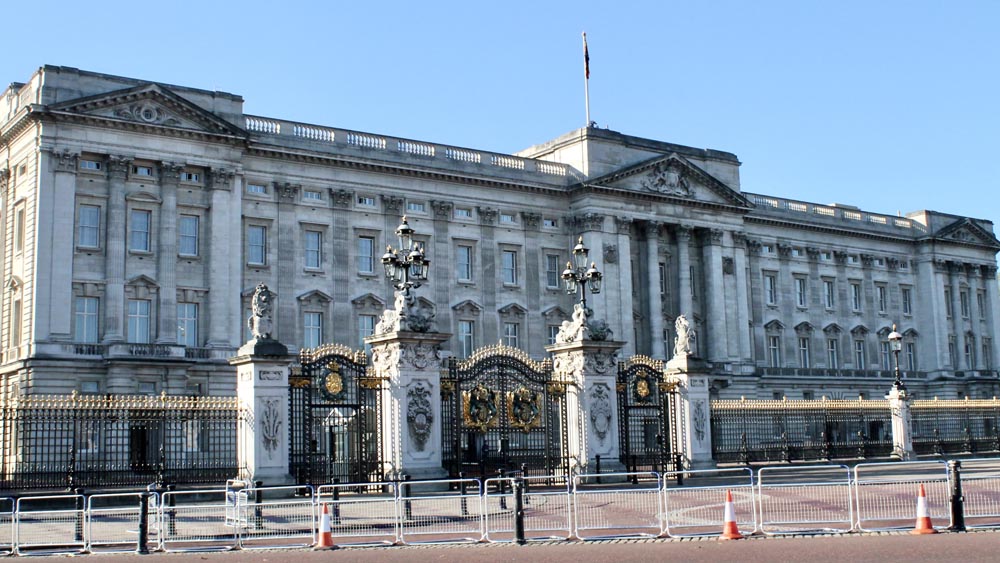


Madrid Travel Guide | Madrid is one of Europe’s popular tourist destinations, serving as the capital and largest city of Spain. With its blend of historical charm and modern atmosphere, rich cultural heritage, and impressive architecture, Madrid hosts many fascinating places that every visitor would want to explore. In this article, we will guide you about 30 unique places and experiences that you must see on your trip to Madrid. From museums to historical structures, parks to shopping streets, each location in the city awaits you to discover Madrid’s distinctive spirit.
Palacio Real: The Enchanting Royal Palace of Madrid

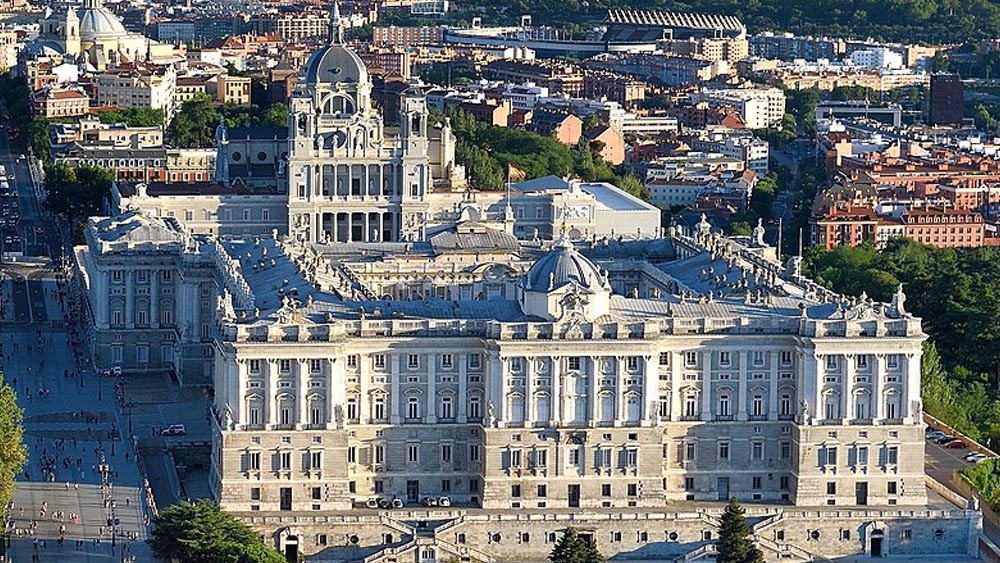
The Palacio Real is a magnificent royal palace located in the capital of Spain, Madrid. It serves as a venue for official ceremonies and receptions of the Spanish King and Queen. The Palacio Real is open to visitors and attracts attention with its artworks, decorations, and historical significance.
Construction of the Palacio Real began in the 18th century and took approximately 17 years to complete. The palace, with its Spanish Baroque and Neoclassical styles, is famous for its grand façade, spacious courtyards, and impressive interiors.
Inside the palace, there are numerous rooms and galleries. Particularly noteworthy are the “Throne Room” (Salón del Trono) and the “Salons Worth Seeing” (Salones de Porcelana), which captivate visitors. These rooms are adorned with valuable furniture, artworks, jewelry, and exquisite carpets.
The gardens of the Palacio Real are also quite impressive. The Sabatini Gardens and Campo del Moro offer delightful walks and breathtaking views to visitors. The various sculptures, flowers, and arrangements in the gardens create a historical and aesthetic atmosphere.
The Palacio Real is one of Spain’s most important historical and cultural symbols. Visitors can have a unique experience exploring the palace and delving into Spain’s monarchical past and rich cultural heritage. However, if you plan to visit, remember that you need to make a prior ticket reservation, as the palace receives high demand.
Prado Museum: A Museum Exhibiting the Finest Examples of World Art
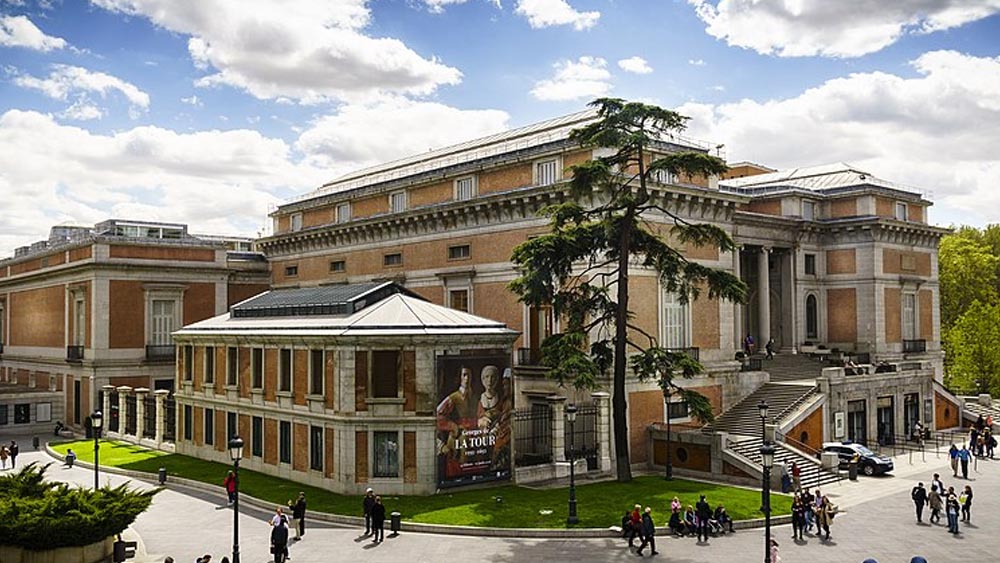
The Prado Museum is a world-renowned art museum located in Madrid, Spain. Considered one of Spain’s most important museums, the Prado showcases the finest examples of world art with its rich collection.
The origins of the Prado Museum can be traced back to the efforts of the Spanish Royal Family to establish a painting collection in the 16th century. Founded as the Royal Museum in 1785, the museum later adopted the name Prado. The museum’s current building was completed and opened in 1819.
The collection of the Prado Museum includes works primarily from the Spanish Renaissance, Baroque, and the Spanish Golden Age. The works of famous Spanish painters such as El Greco, Velázquez, Goya, and Zurbarán are significant pieces in the museum. Additionally, one can find works by Italian, Flemish, and Dutch masters. Paintings by artists like Raphael, Titian, Rubens, Rembrandt, and Bosch are also valuable parts of the collection.
The Prado Museum also houses sculptures, drawings, engravings, and decorative art pieces. Its spacious and magnificent halls provide an ideal environment for visitors to explore the artworks and immerse themselves in the fascinating world of art.
The Prado Museum is a must-visit place for art lovers and history enthusiasts. With its extensive collection and hosting some of the most famous works of world art, it offers visitors an unforgettable experience.
Retiro Park: A Peaceful Green Area in the City Center
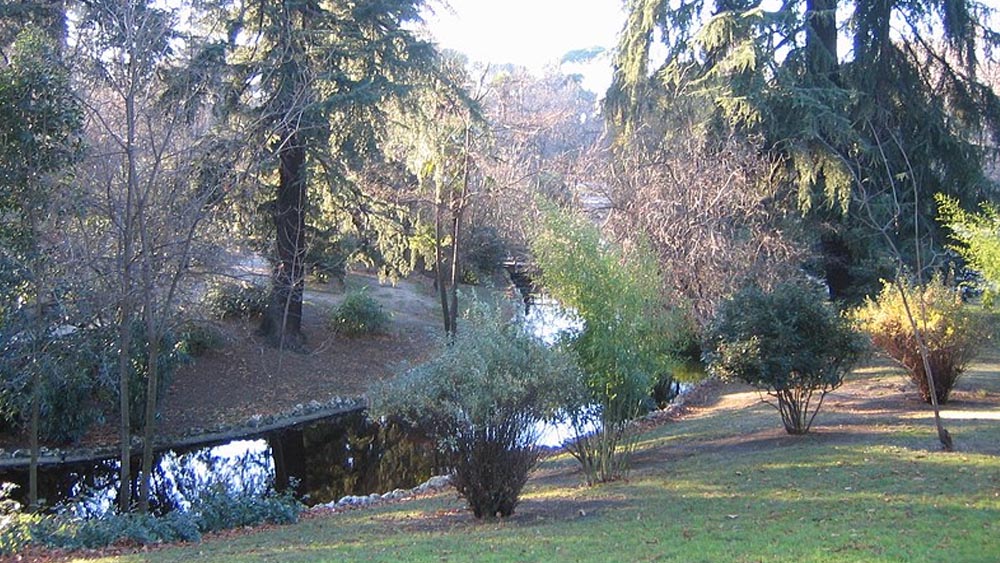
Retiro Park, located in the city center of Madrid, is a large and beautiful park. Regarded as one of Spain’s most famous parks, Retiro Park offers locals and visitors the opportunity to relax, have fun, and immerse themselves in nature.
Retiro Park was built in the 17th century as the gardens of the Royal Palace. It later became a public park. The park covers a vast area and is filled with greenery, trees, and ponds. Walking paths, grassy areas, and gardens provide a relaxing environment for visitors.
One of the park’s most famous features is a large pond called “Estanque de Retiro.” Here, you can rent rowboats or have a picnic by the lake. Additionally, an area with a fascinating glass structure called “Palacio de Cristal” is worth visiting. Exhibitions are held inside this glass structure, making it a hub for visual arts.
Retiro Park is also filled with various sculptures, flower gardens, children’s playgrounds, and cafes. You can take a walk, go for a run, ride a bike, or simply sit on benches to relax. Moreover, open-air events and concerts are organized in the park during the summer months.
Retiro Park serves as a breath of fresh air in the bustling city center of Madrid. Here, you can connect with nature, unwind, and find tranquility. As a popular destination for both locals and tourists, this peaceful green space is a must-visit for anyone looking to explore the beauties of Madrid.
Plaza Mayor: Historical Square and Social Center
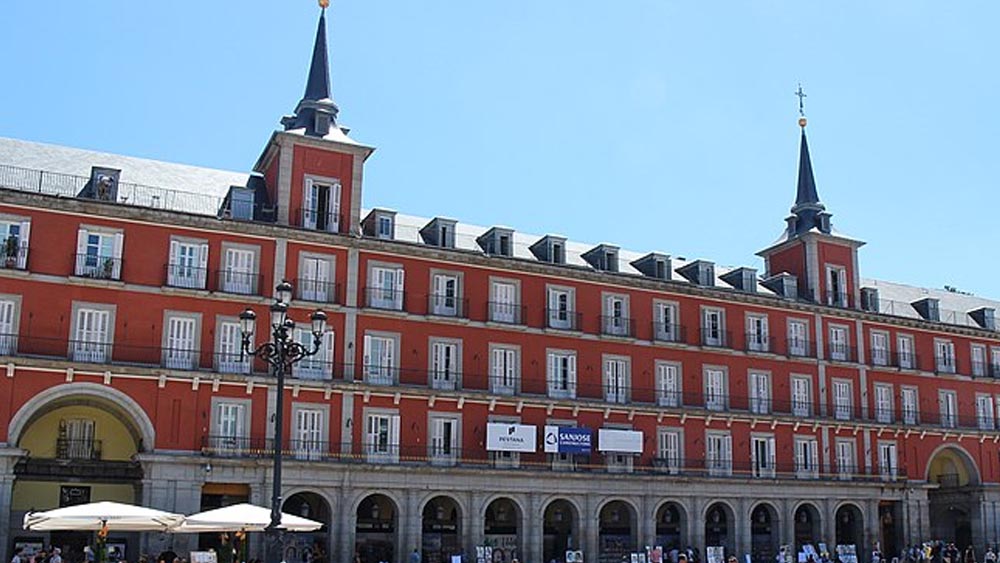
Plaza Mayor is a historic square located in the center of Madrid and is one of the city’s most important social hubs. It is a popular meeting point for both tourists and locals. Plaza Mayor stands out with its historical and cultural significance and is one of the symbols of Madrid.
Plaza Mayor was built during the period of Habsburg Dynasty rule in the 17th century. The square is designed in a regular square shape and has historically hosted various events and occasions. It has been the site of Spanish Inquisition courts, ceremonies, lottery draws, royal weddings, and public festivals.
The buildings surrounding Plaza Mayor are three-story structures made of red brick. Constructed in the Spanish Baroque style, these buildings are adorned with striking arched passageways and decorations. In the center of the square stands a statue of Felipe III, surrounded by reliefs depicting historical events.
Today, Plaza Mayor is surrounded by restaurants, cafes, shops, and souvenir stores. You can sit in the square and sip your coffee, taste the flavors of Spanish cuisine, or purchase traditional handmade products. Especially during special periods like Christmas and New Year, markets and events are organized in Plaza Mayor, bringing liveliness to the square.
Plaza Mayor is a perfect place to feel the historical texture of Madrid and experience the city’s atmosphere. Tourists and locals can spend time here, observe people, watch street performers, and immerse themselves in the vibrant and energetic atmosphere of Madrid. For those traveling to Madrid, Plaza Mayor is an important must-visit spot.
Puerta del Sol: Madrid’s Busy and Famous Square
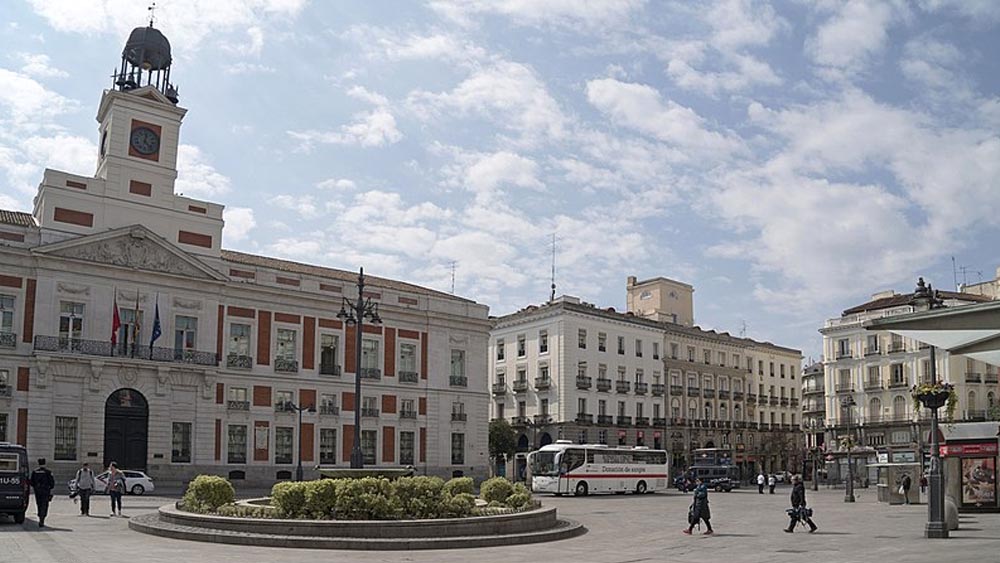
Puerta del Sol is one of the busiest and famous squares in Madrid. Puerta del Sol, which means “Gate of the Sun” in Spanish, is centrally located in Madrid and is a popular meeting point for both locals and tourists.
Puerta del Sol stands out with its historical and cultural significance. In the center of the square, there is a symbolic point known as “Kilometer Zero” (Kilómetro Cero). This point is considered the starting point of Spain’s main highways and serves as a reference point for measuring distances to different regions of the country.
A symbolic statue called “Orologio” in the middle of the square also attracts attention. This statue becomes a place where people gather to count down and celebrate the New Year together on New Year’s Eve.
Puerta del Sol is also home to many historical and important buildings. The “Casa de Correos,” the former post office of Spain, is located here and is the most recognized structure in the square. The enormous symbol of the “Bear of Madrid” on top of the building’s clock is one of the city’s emblems.
The square is surrounded by shopping centers, restaurants, cafes, and shops, offering a variety of commercial activities. Puerta del Sol is also one of the centers of Madrid’s nightlife. The nearby streets are filled with bars, nightclubs, and live music venues.
Puerta del Sol is an important square located in the heart of Madrid, offering visitors the opportunity to experience the city’s lively atmosphere. For travelers visiting Madrid, Puerta del Sol is a must-see and worth exploring.
Gran Via: Shopping, Entertainment, and Show Center
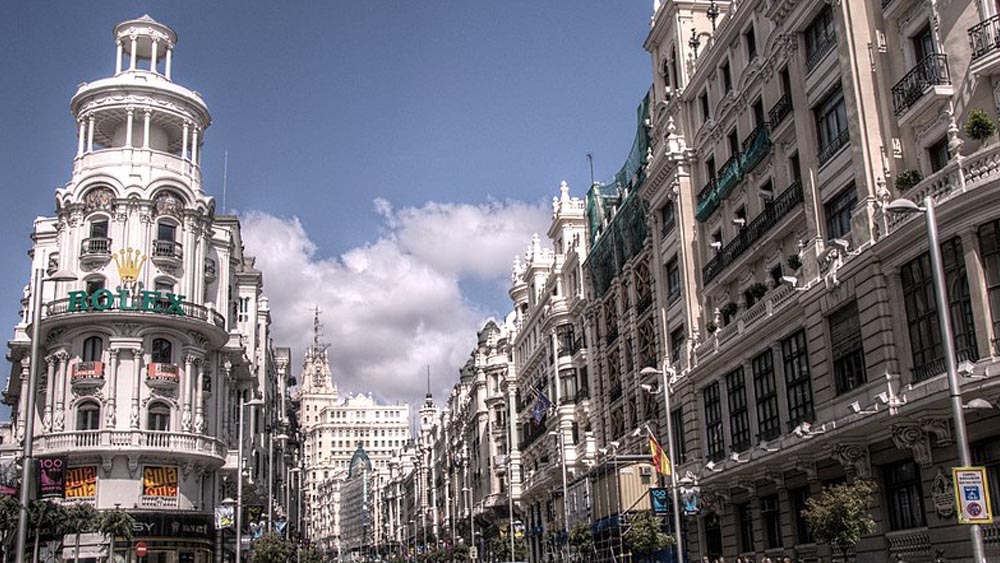
Gran Vía is one of the most famous and vibrant streets in Madrid. Meaning “Great Way” in Spanish, Gran Vía is one of Spain’s most important shopping, entertainment, and show centers. The street is filled with historical and architectural buildings, high-rises, shops, theaters, and restaurants.
Gran Vía was constructed at the beginning of the 20th century and played a significant role in the city’s modernization process. It stands out with its magnificent buildings in Art Nouveau and Art Deco styles. The architecture and atmosphere of the street reflect its past grandeur while blending with the liveliness and energy of the present.
Gran Vía is home to many famous stores, brands, and boutiques. It offers a wide range of options for shopping enthusiasts, including fashion, cosmetics, electronics, and souvenirs. Additionally, large shopping centers and retail chains are also located around the street.
The street’s theaters and cinemas are also noteworthy. Many renowned theater buildings serve as stages for musicals, plays, and concerts. Moreover, cinemas screen domestic and foreign films. Gran Vía is also one of the centers of nightlife. Bars, nightclubs, and live music venues provide entertainment and social activities for visitors.
Gran Vía’s route also provides easy access to Madrid’s tourist and cultural areas. It is conveniently located near important landmarks such as Puerta del Sol, Plaza Mayor, Retiro Park, and the Prado Museum.
Gran Vía is a must-visit destination for those seeking a shopping, entertainment, and show experience. It is a place worth exploring for travelers visiting Madrid and offers an ideal environment for experiencing the city’s lively atmosphere and energy.
Santiago Bernabéu Stadium: The Legendary Stadium of Real Madrid Football Club
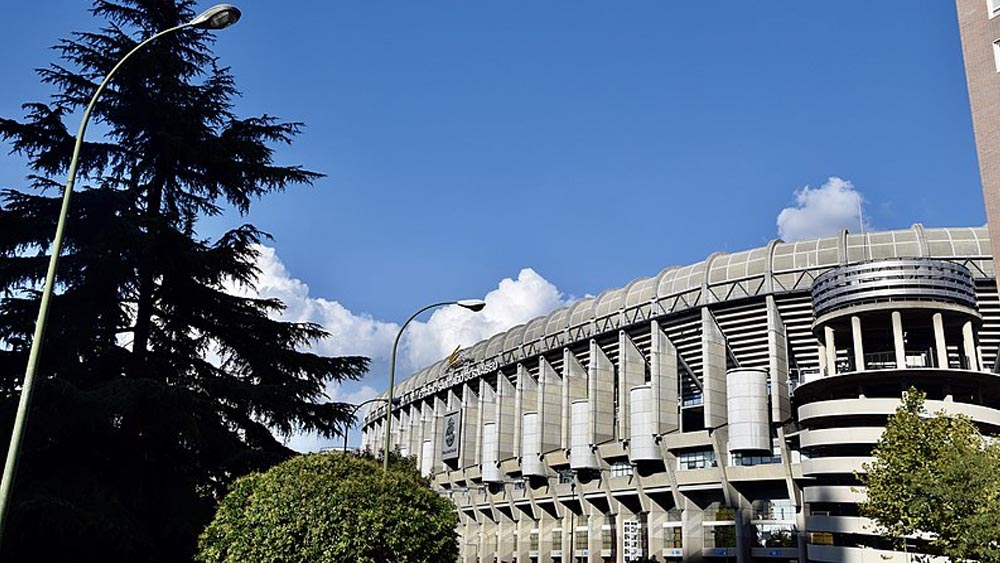
Santiago Bernabéu Stadium is a legendary stadium located in the capital of Spain, Madrid, and serves as the home of Real Madrid Football Club. The stadium is a venue where Real Madrid has achieved great successes and where fans passionately support their team.
The stadium was opened in 1947 and was named after Santiago Bernabéu, the president of Real Madrid at that time. Since then, it has undergone several renovations and expansions. The current capacity of the stadium is approximately 81,000 people, making it one of the largest stadiums in Europe.
Santiago Bernabéu Stadium is used not only for football matches but also for concerts, events, and other sports activities. The modern facilities of the stadium allow for the successful hosting of not only football matches but also other major events.
The stadium has witnessed the victorious history of Real Madrid and has hosted many unforgettable matches. The legendary players of Real Madrid have delivered memorable performances in front of their fans. The stadium has also hosted UEFA Champions League final matches and has attracted great interest from football enthusiasts.
Santiago Bernabéu Stadium is a must-visit place for tourists and football fans. By participating in a stadium tour, you can explore the club’s history and museum, as well as see the pitch and dressing rooms. Additionally, coming to the stadium to watch Real Madrid matches provides a wonderful opportunity to experience an exciting football atmosphere.
Santiago Bernabéu Stadium is a symbol of Real Madrid Football Club and important moments in football history. It is a place that should be seen by football enthusiasts visiting Madrid and offers an unforgettable experience.
Reina Sofia Museum: A Museum Displaying Modern and Contemporary Artworks
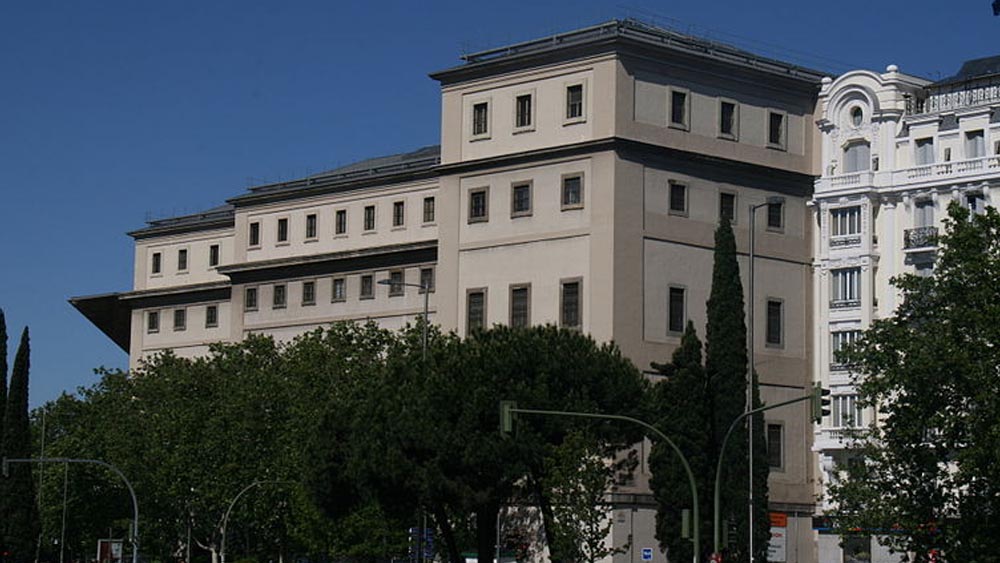
Reina Sofía Museum is an important museum in Madrid that showcases modern and contemporary artworks. Also known as the “Reina Sofía National Art Center” in Spanish, the museum was established in 1986 and has gained international renown.
The museum primarily focuses on 20th and 21st-century Spanish art but also includes works by international artists. Its collection features renowned Spanish artists such as Pablo Picasso, Salvador Dalí, Joan Miró, and Juan Gris.
The most famous artwork in the museum is Pablo Picasso’s painting titled “Guernica.” This iconic piece depicts the bombing of the town of Guernica during the Spanish Civil War and carries a powerful political message reflecting the devastating effects of war. Guernica is one of the museum’s most significant and highly regarded works.
Reina Sofía Museum houses a wide collection representing different disciplines of modern and contemporary art. In addition to paintings, it exhibits sculptures, photographs, videos, and installations. The museum offers a rich experience for visitors who wish to explore various art movements and periods.
Furthermore, the museum hosts temporary exhibitions regularly. These exhibitions introduce the works of international artists, contemporary art movements, and current art debates. Reina Sofía Museum is also known as a platform that pushes the boundaries of art and showcases innovative works.
The museum building is located in a restored section of the former General Hospital of Madrid, an old hospital. This architectural structure, hosting modern and contemporary artworks, stands out with its unique design.
Reina Sofía Museum is an important stop for art enthusiasts and culture lovers in Madrid. It is a must-visit place for anyone who wants to experience the power of art and explore the universal language of modern art.
Thyssen-Bornemisza Museum: A Museum Displaying a Comprehensive Collection of European Art
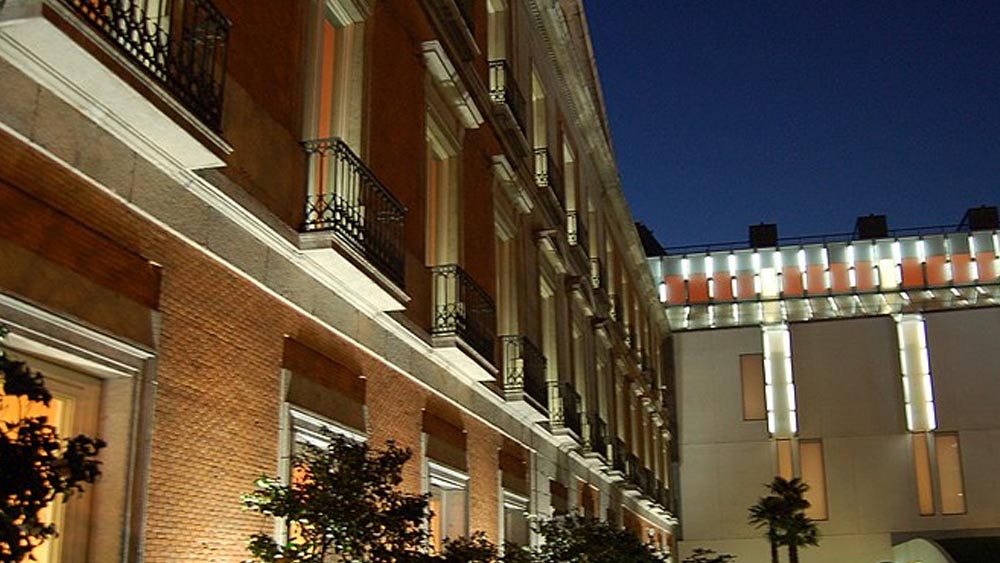
Thyssen-Bornemisza Museum is a famous museum located in Madrid, which displays a comprehensive collection of European art. The museum was opened in 1992 through the combination of the collection of the Thyssen-Bornemisza family and the Spanish government.
The museum has a rich collection that spans from the 13th century to the present, encompassing various art movements. The artworks in the museum include examples from different periods such as Italian Renaissance, Baroque, Rococo, Romanticism, Impressionism, Expressionism, Pop Art, and contemporary art.
The collection of Thyssen-Bornemisza Museum features works by renowned artists such as Botticelli, Rembrandt, Van Gogh, Monet, Renoir, Degas, Picasso, Kandinsky, Rothko, and Hopper. Additionally, there are special sections focusing on specific movements like American art, British painters, and German expressionism.
The museum offers art enthusiasts a journey through different periods, styles, and artists. The diversity of its collection allows visitors to explore various aspects and developments of European art. Moreover, the museum hosts temporary exhibitions that inform art lovers about current art trends and special topics.
The architecture of the building where the museum is located is the historical Villahermosa Palace. The palace was built in the neoclassical style and adds a unique charm to the museum with its distinctive atmosphere.
Thyssen-Bornemisza Museum is an important stop for art lovers and culture enthusiasts in Madrid. It is a must-visit place for anyone who wants to explore the rich heritage of European art and see significant artworks from different periods.
San Miguel Market: A Market of Delicious Food and Traditional Products
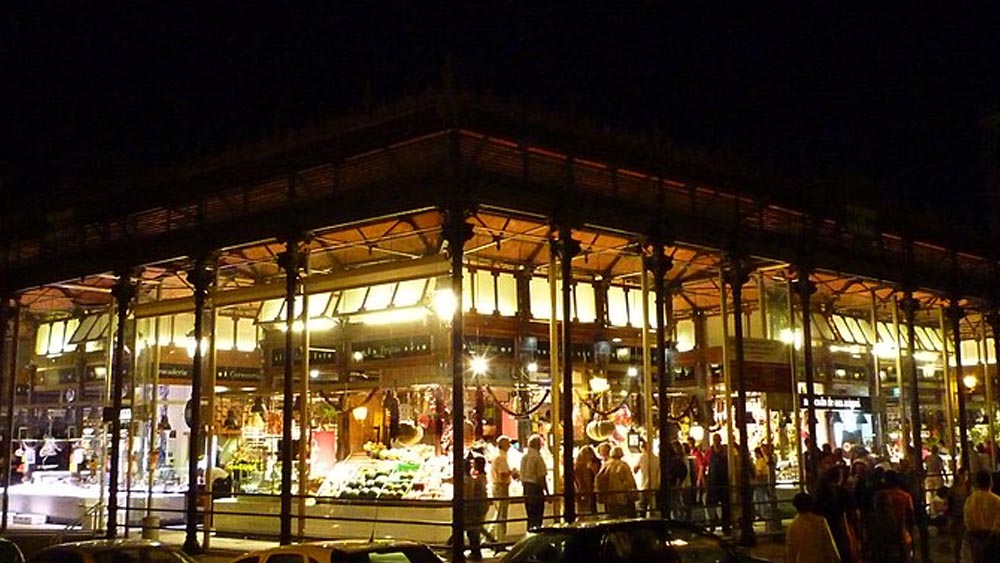
San Miguel Market is a famous market located in the center of Madrid, offering visitors an experience where delicious food and traditional products come together. This market is a popular place to explore Spain’s rich gastronomic culture and taste local flavors.
San Miguel Market features a historic iron and glass structure that was built in the early 20th century. The unique design and atmosphere of the building make the market attractive. Inside, you can find numerous stalls, each offering a rich variety.
At the market, you can find fresh seafood, meat, cheese, delicatessen products, olive oils, sweets, and many other tasty foods. Spain’s famous tapas also hold a significant place in the market. Visitors can try various tapas from different stalls and enjoy the flavors of Spanish cuisine.
Additionally, the market offers local wines, champagnes, and other beverages, as well as special liqueurs and cocktails. Whether you want to stop for a snack and drink at the market or buy special products to take home, there are options for everyone.
San Miguel Market is not only a place to enjoy delicious food but also a popular spot to interact with the locals and experience the city’s culture. It has a lively and cheerful atmosphere, allowing visitors to have a pleasant time in a social environment.
The central location of the market ensures its proximity to other tourist attractions. It is within walking distance of important landmarks such as Puerta del Sol and Plaza Mayor. This provides the opportunity to easily explore other attractions in the city after visiting the market.
San Miguel Market is a must-visit place for anyone who wants to complete their food and beverage experience in Madrid. It is a great option to taste traditional flavors, discover local products, and immerse yourself in its vibrant atmosphere.
El Rastro Market: A Famous Market Known for Unique Antiques and Bargain Opportunities
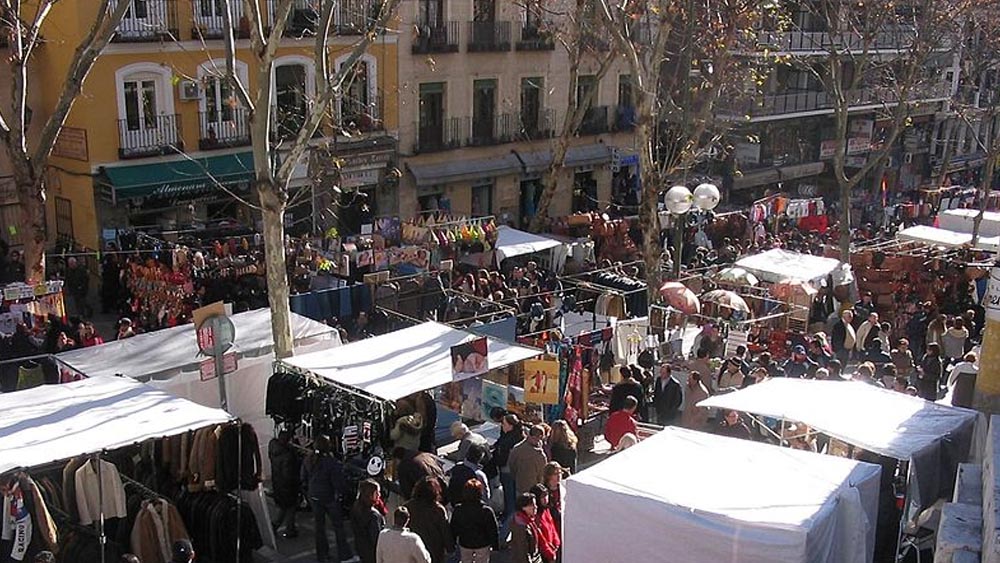
El Rastro Market is a famous market located in Madrid’s La Latina district, known for its unique antique items, handicrafts, and bargain opportunities. This market, held every weekend and on official holidays, is a popular stop among locals and tourists.
El Rastro gets its name from the Arabic word “rastro,” which means “trace” or “line.” This name originates from the market’s history of being a place where used items, and even stolen goods, were sold. Nowadays, it has transformed into a market mainly focused on antique items, clothing, jewelry, handmade products, and various other goods.
The market is filled with stalls set up along the streets, offering visitors a wide selection. It features different areas such as antique shops, clothing stores, bookshops, and stalls selling handmade products. In addition to that, street artists, musicians, and street food vendors contribute to the vibrant atmosphere of the market.
El Rastro Market is famous for its culture of bargaining. Sellers usually start with higher prices, and buyers engage in negotiations to secure discounts. This provides visitors with a unique shopping experience and an opportunity to get good deals. However, it’s important to be cautious while bargaining and pay attention to the authenticity and quality of the items.
El Rastro Market is a great option for those who want to experience Madrid’s historical and cultural atmosphere. Exploring the narrow streets around the market offers experiences like enjoying a traditional Spanish coffee or taking a break at a tapas restaurant. Additionally, the nearby La Latina district is known for its vibrant bars and restaurants, providing visitors with an enjoyable nightlife.
El Rastro Market is a must-visit place for shopping enthusiasts and antique lovers in Madrid. It offers the chance to discover unique items, engage in bargaining, and become part of the local culture.
Mercado de San Anton: A Modern Market Offering Fresh Produce and Gourmet Delights
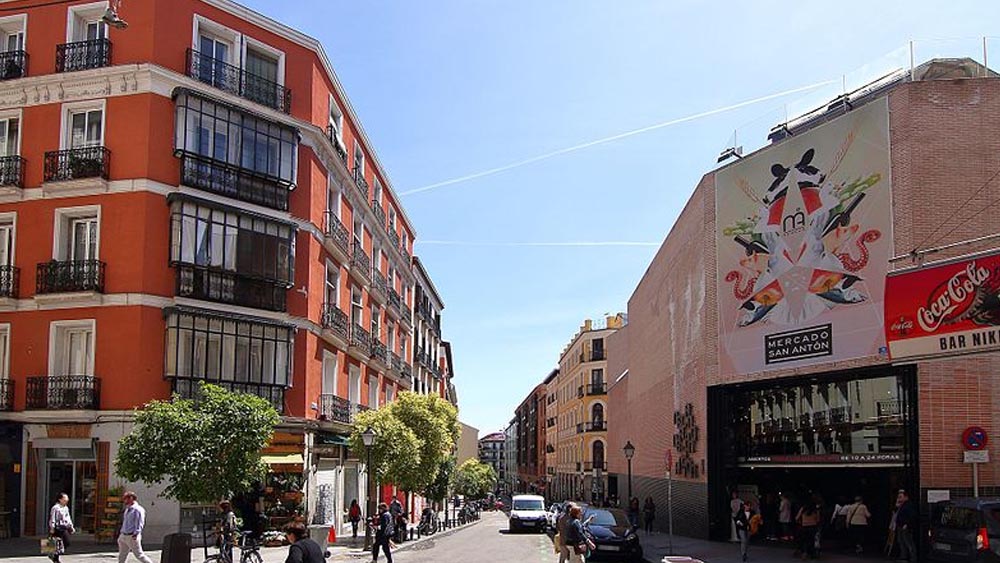
Mercado de San Antón is a popular market in Madrid that serves as a modern shopping center offering fresh produce and gourmet delights. Located in the Chueca district, this market is recognized as a gastronomic stop among locals and tourists.
Mercado de San Antón is housed in a three-story building. Each floor is divided into different sections, providing a distinct experience. The ground floor is a market area where you can find fresh fruits, vegetables, meat, fish, seafood, and other essential food products. Here, you can discover the freshest and highest-quality items and do your own shopping.
The second floor is a section filled with restaurants and bars. This area houses restaurants offering delicious meals from various cuisines. From Spanish tapas to Asian cuisine, and from seafood to meat dishes, there is a wide range of options available. Additionally, several bars serve beverages throughout the day.
The third floor has been transformed into a terrace area. This terrace provides a beautiful outdoor space where you can sit and enjoy your meals, sip your drinks, and take in the view. Especially on sunny and pleasant days, the terrace becomes a delightful meeting point.
Mercado de San Antón offers not only fresh and high-quality products but also a rich gastronomic experience. This market brings together flavors from local and international cuisines, providing visitors with an opportunity to explore different tastes. Moreover, some restaurants and stalls offer products catering to special dietary requirements such as organic items, vegan options, and vegetarian choices.
Mercado de San Antón is also a vibrant social and cultural hub. Various events, tastings, cooking classes, and artistic activities are organized. These events offer visitors a pleasant and interactive experience within the market.
For those visiting Madrid, Mercado de San Antón is a wonderful choice to stroll through a market filled with fresh produce, taste delicious meals, and engage with the local community. With its modern and stylish atmosphere, this market provides an ideal venue to explore Madrid’s rich gastronomic world.
Cibeles Square: A Square with Majestic Buildings and Fountains
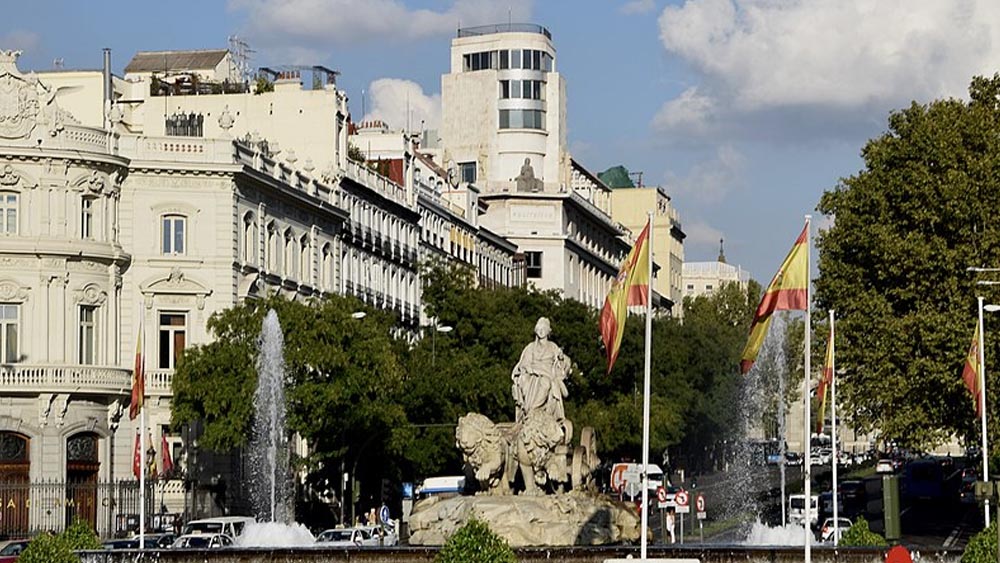
Cibeles Square is one of Madrid’s important and majestic squares. Located in the city center, this square is famous for its historical and visually impressive buildings. The square takes its name from the Cibeles Fountain located in its center.
The Cibeles Fountain, situated at the heart of Cibeles Square, is one of Madrid’s symbolic structures. Completed in 1782, this statue and fountain represent the goddess Cybele in mythology. The fountain is adorned with an imposing sculpture of Cybele seated on a chariot, pulled by two lions. This magnificent structure has become an icon of the city and serves as the central point for victory celebrations of the football club Real Madrid.
Surrounding the square are various important buildings. One of them is the Ayuntamiento de Madrid, also known as the Madrid City Hall or Cibeles Palace. This magnificent building is constructed in the Neoclassical style and serves as an important center for city administration. Additionally, the square is home to the Banco de España, the central bank of Spain. These grand structures contribute to the historical ambiance of the square, captivating visitors with their architectural beauty.
Cibeles Square is also one of the busiest spots in Madrid. Surrounding the square, you’ll find luxury shops, restaurants, cafes, and hotels. It is an ideal place for shopping, dining in elegant establishments, or simply soaking in the atmosphere. Especially in good weather, people prefer to sit in the square and enjoy the view of the Cibeles Fountain.
Furthermore, Cibeles Square is close to many of Madrid’s tourist attractions. Prado Museum, Retiro Park, and Gran Via are all within walking distance. This allows visitors not only to explore the square but also to easily visit other highlights of the city.
For those visiting Madrid, Cibeles Square is an impressive stop with its historical and visual beauty. Its majestic buildings, fountains, and vibrant atmosphere reflect the spirit and elegance of Madrid.
Almudena Cathedral: The Main Cathedral of Madrid with Impressive Gothic Architecture
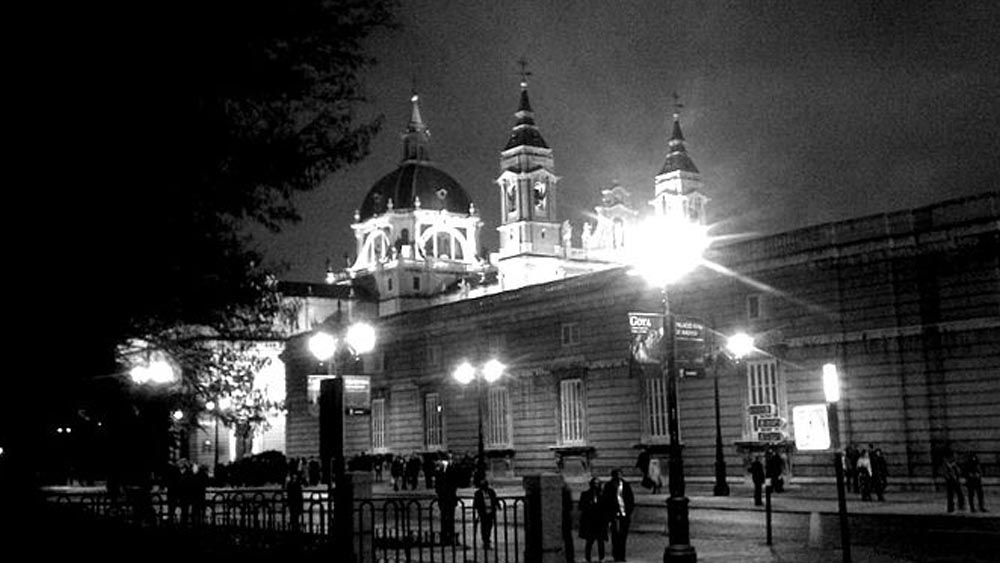
Almudena Cathedral is a remarkable structure known as the main cathedral of Madrid, with impressive Gothic architecture. The cathedral was completed in 1993 following the wedding ceremonies of Spain’s King Juan Carlos II and Queen Sofía.
Located in the heart of Habsburg Madrid, a historically and touristically significant area in Madrid, the cathedral stands on a hill and creates a striking image in the city’s skyline.
The exterior of the cathedral is intricately designed with meticulously crafted stonework, towers, and detailed carvings. Constructed in Gothic and Neo-Gothic styles, the cathedral possesses a unique aesthetic with elegant stained glass windows, domed vaults, and a majestic entrance.
The interior of Almudena Cathedral is equally enchanting. It features a spacious nave, a stunning high altar, and notable elements such as an impressive baptistery. The grand stained glass windows within the cathedral allow colored light to fill the space, creating a mystical atmosphere.
One of the most remarkable sections of the cathedral is the Royal Chapel. This chapel is used for weddings, baptisms, and other religious ceremonies of the Spanish royal family. The interior of the Royal Chapel is adorned with sculptures embellished with precious stones, golden decorations, and luxurious embellishments.
Visitors to Almudena Cathedral can also climb to the cathedral’s rooftop. From there, they can enjoy the magnificent views of Madrid and its surrounding historical areas. Additionally, the Cathedral Museum, located beneath the cathedral, showcases the history, artworks, and religious artifacts of the cathedral to visitors.
Almudena Cathedral is an important symbol of Madrid’s historical and religious significance. With its Gothic architecture, impressive interior, and location, it offers visitors a visual feast. For those exploring Madrid, this cathedral is a must-visit destination to experience the city’s cultural and religious heritage.
Templo de Debod: Enjoy an Ancient Egyptian Temple and Beautiful Views
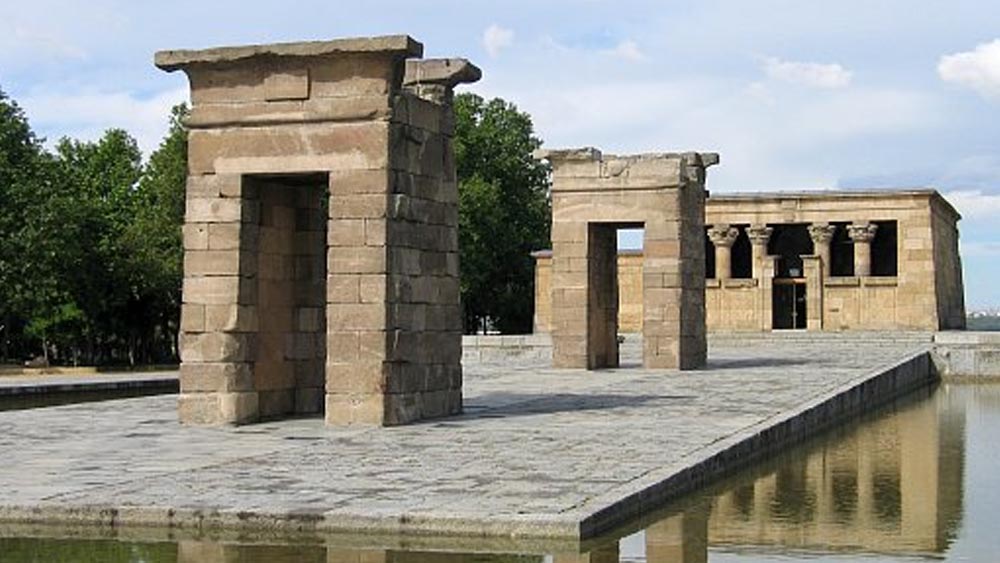
Templo de Debod is an ancient Egyptian temple located in the center of Madrid, offering visitors a combination of both historical and natural beauty. This temple is a structure that was gifted to Spain by the Egyptian government and was relocated to Madrid in 1972.
Templo de Debod is a temple that was originally built in the village of Debod near the Nile River in Egypt. Its origins date back to the 2nd century BC and it was dedicated to the goddess Isis and the god Amon-Ra. After being moved to Spain, the temple was restored and placed in a beautiful location in Madrid’s Debod Park.
The temple presents an impressive example of ancient Egyptian architecture. Constructed with large granite blocks, the temple stands out with its original details and reliefs. Inside the temple, there are several rooms and altars dedicated to Egyptian gods. The interior of the temple is arranged as an exhibition area providing information about ancient Egyptian culture to visitors.
However, one of the most striking features of Templo de Debod is its breathtaking views. As the temple is located at one of the highest points in Madrid, it offers a panoramic view of the city. Especially during sunset, watching the magnificent view of the city from the temple’s terrace can be an unforgettable experience.
Surrounding the temple is a spacious park area. Visitors can take walks, have picnics, or sit on the grass to relax in the park. The park is surrounded by trees and filled with natural beauty. Exploring between a historic structure and the natural surroundings in a peaceful and serene environment is truly enjoyable.
Templo de Debod is also conveniently located near other tourist attractions in Madrid. Places like Gran Via, Plaza Mayor, and the Royal Palace are within walking distance. This allows visitors to easily explore and see other points of interest in the city alongside the temple.
For those visiting Madrid, Templo de Debod is a unique stop offering a different cultural experience and beautiful views. This temple, satisfying the interest in ancient Egypt, will enchant you as a place that combines historical and natural beauty.
Plaza de España: An Iconic Monument and Green Space
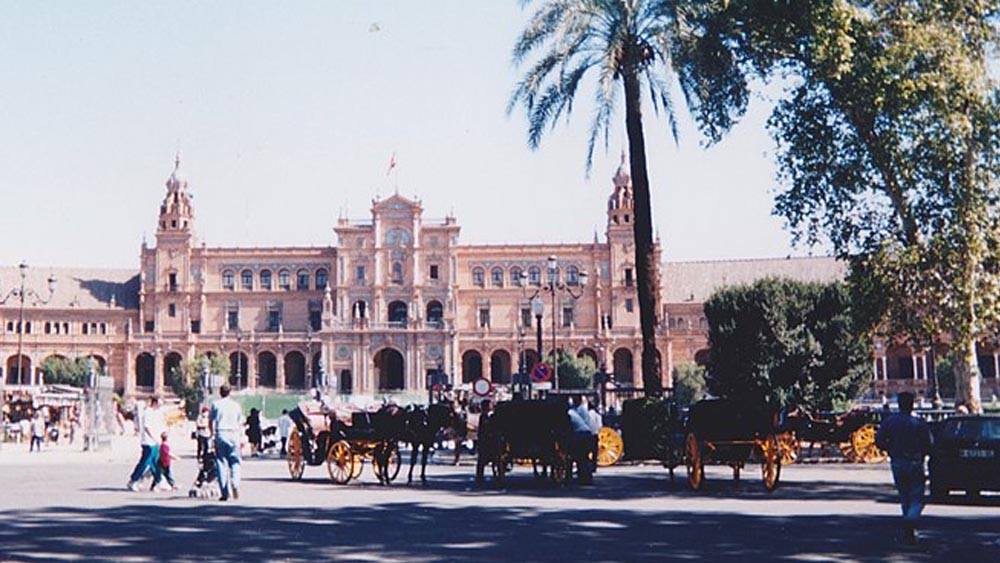
Plaza de España is one of the significant squares in Madrid and hosts an iconic monument. Located close to the city center, the square is a popular spot visited by both tourists and locals.
The most striking feature of the square is the Cervantes Monument situated in its center. This monument is a large structure that showcases sculptures of the renowned Spanish writer Miguel de Cervantes and his characters. Cervantes is immortalized in the monument with statues of Don Quixote and Sancho Panza. These sculptures represent important figures in Spanish literature and add an impressive ambiance to the square.
Plaza de España also features spacious green areas. The parks and gardens surrounding the square offer visitors opportunities for relaxation and picnics. Additionally, the square around the monument’s center serves as a space where people can sit and enjoy the view.
Near the square, you’ll find the famous shopping street called Gran Via. This street is filled with shops, restaurants, and cinemas. Plaza de España holds a significant location in proximity to this vibrant and bustling area.
Plaza de España is also conveniently close to many tourist attractions in Madrid. The Royal Palace, Almudena Cathedral, and Templo de Debod are within walking distance. This allows visitors to easily explore and see other points of interest in the city alongside the square.
For those visiting Madrid, Plaza de España is an impressive stop with its historical monument, green spaces, and lively atmosphere. This square, with its iconic monument, is an ideal place to relax and discover the beauty of the city.
Malasaña: A Trendy Neighborhood Alive with Art, Culture, and Nightlife
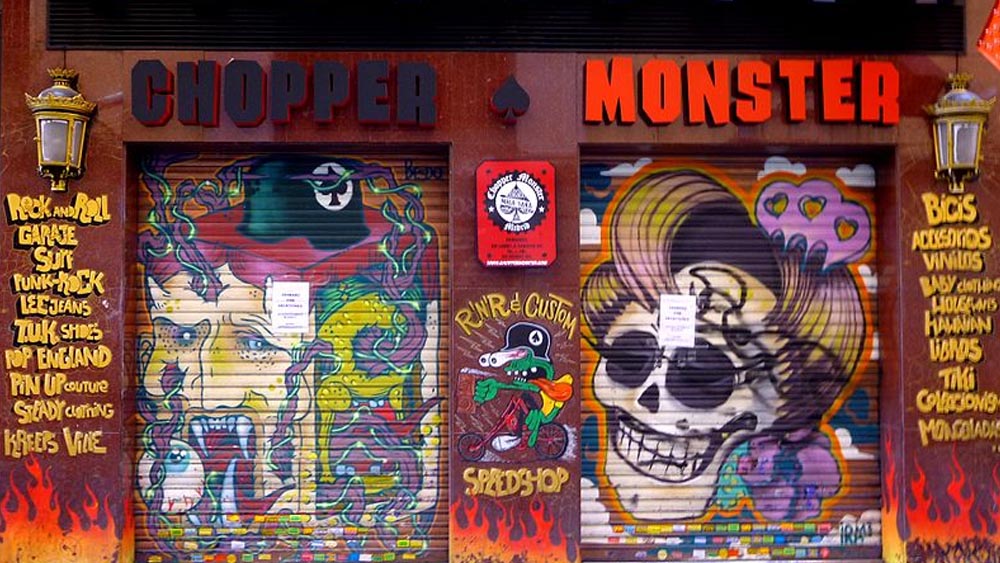
Malasaña is a neighborhood located in the center of Madrid, known for its art, culture, and vibrant nightlife. This area is popular among young people and art enthusiasts, offering an energetic and trendy atmosphere.
Malasaña is renowned as a bohemian and alternative neighborhood. It stands out with its narrow streets, colorful walls, local design boutiques, art galleries, and independent cafes and restaurants. It’s common to come across street art pieces while walking through the neighborhood, adding a unique and lively character to the area.
The neighborhood is also famous for its music and nightlife. Many live music venues, bars, and nightclubs can be found here. Malasaña comes alive during the evening hours, offering a bustling atmosphere filled with concerts, DJ performances, and other events. It’s an ideal place, especially for those interested in indie music and alternative styles.
The history of Malasaña is also intriguing. The neighborhood was frequently visited by artists, intellectuals, and bohemian spirits in the late 19th and early 20th centuries. It became an important center for urban culture, literature, and art during that period. This historical background adds a distinctive character and charm to the neighborhood.
Malasaña is also an attractive destination for shoppers. It houses many boutique stores, vintage shops, and design workshops. It’s an ideal place for those seeking creative and unique pieces.
For visitors to Madrid, Malasaña is a neighborhood known for its lively atmosphere and bohemian style. This trendy neighborhood, filled with art, culture, and nightlife, is definitely worth exploring for those looking to experience different vibes and discover the alternative side of Madrid.
Lavapiés: A Colorful District Where Diverse Cultures Come Together
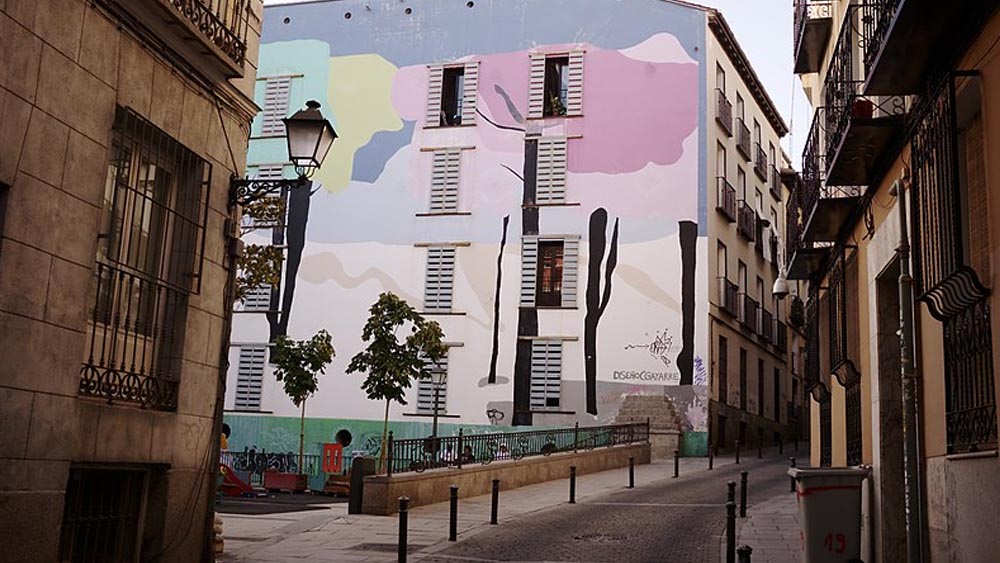
Lavapiés is a colorful and multicultural district located in the center of Madrid. This neighborhood is a place where people from different ethnic backgrounds and cultures live together and interact. As a result, Lavapiés has a vibrant and lively atmosphere where diverse cultures converge.
Traditionally, the neighborhood is known as one of the oldest and most historic districts in Madrid. However, in recent years, with increased migration and immigrant population, Lavapiés has become a place where people from various countries have settled. It is particularly dense with residents of Latin American, African, and Asian origins.
Lavapiés stands out for its cultural diversity. The neighborhood hosts various cultural events, festivals, and concerts. Music, dance, art, and cuisines from different countries come together here. The streets of the neighborhood are adorned with colorful walls and street art pieces. Additionally, art centers and galleries like Matadero Madrid in Lavapiés are important destinations for art enthusiasts.
Lavapiés is also a rich culinary area. Restaurants and cafes in the neighborhood offer examples of different cuisines from around the world. From Spanish tapas to Indian, Ethiopian, Chinese, and more, there are many options available. The neighborhood is also famous for its street food and markets.
Lavapiés is located close to the historical center of Madrid and within walking distance of other tourist areas and squares. This allows visitors to easily explore Lavapiés and conveniently access other tourist attractions in the city.
For those visiting Madrid, Lavapiés is a neighborhood that stands out for its diversity, cultural interaction, and colorful atmosphere. It is an ideal stop for those seeking to experience different cultures and explore the multicultural side of Madrid.
El Escorial: A Historic Monastery and Palace Complex Outside Madrid

El Escorial is a historic monastery and palace complex located approximately 45 kilometers northwest of Madrid. This impressive structure was commissioned by King Philip II of Spain in the 16th century.
El Escorial is an important symbol of the power of the Habsburg Dynasty in Spain and the influence of the Catholic Church. It is a complex used for both religious and political purposes, housing different sections such as a monastery, palace, church, library, and museum.
The monastery section is one of the main structures of El Escorial and is inhabited by Franciscan monks. The monastery attracts attention with its various sections, courtyards, and gardens. Considered one of Spain’s largest monasteries, El Escorial impresses visitors with its religious and historical significance.
The palace section, on the other hand, is a residential area used by the Spanish king and his family. This section includes living quarters for the royal family, a throne room, visitor halls, and other administrative areas. The interior decoration of the palace is adorned with details reflecting the lavish and elegant style of the era.
El Escorial also houses a large library and museum collection. The library hosts numerous rare books, manuscripts, and historical documents. The museum includes religious artworks, paintings, sculptures, and other historical artifacts.
Architecturally, El Escorial is also impressive. Designed with an asymmetrical and square plan, the complex reflects a style that conveys serenity, power, and religious authority. This architectural style had a significant influence on subsequent periods in Spain and impacted other structures as well.
Due to its historical and cultural significance, El Escorial was included in the UNESCO World Heritage List in 1984. For visitors to Madrid, El Escorial is an important historical and cultural site to explore outside the city. This complex, rich in both religious and architectural aspects, is a significant stop to understand Spain’s historical and cultural heritage.
Atocha Station: A Historic Train Station and Botanical Garden
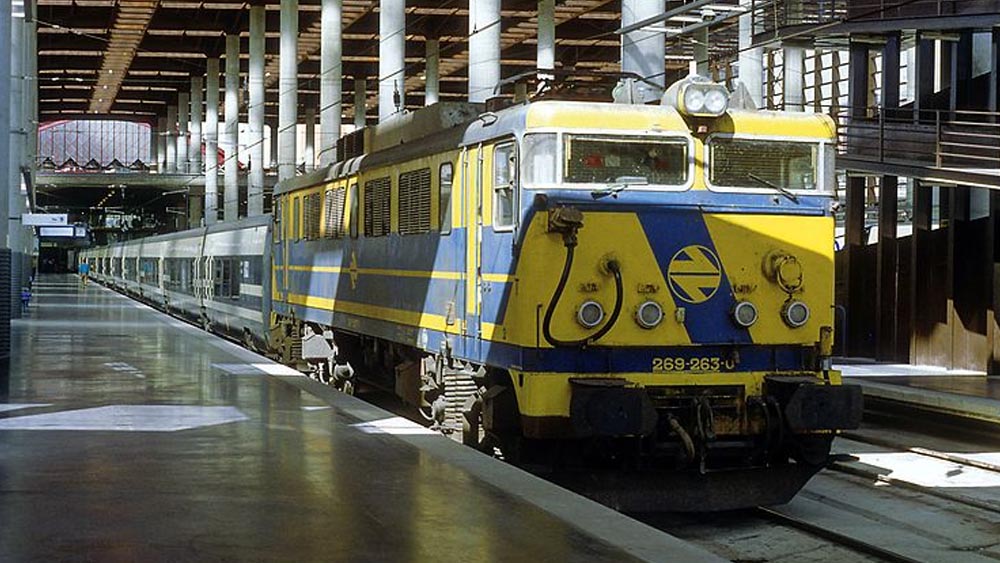
Atocha Station is a historic train station located in the center of Madrid and also hosts a fascinating botanical garden. With this unique combination, Atocha Station is an intriguing stop for visitors.
As a train station, Atocha Station is one of Spain’s most important and bustling stations. Many trains depart from here, serving other major cities in Spain and international routes. The station draws attention with its magnificent architecture and historical character. In particular, its red brick facades, large dome, and elegant design make it a stunning structure.
One of the most interesting features of Atocha Station is its enchanting botanical garden inside. In the middle of the station building, there is a glass structure called the “Tropical Garden,” reaching the height of the ceiling. This garden is an area where tropical plant species are exhibited, including numerous palm trees, exotic plants, and ponds. Visitors can enjoy the vegetation and immerse themselves in the exotic atmosphere, feeling like they are in another world.
Other sections of Atocha Station also offer interesting experiences for visitors. The station’s old sections are filled with restaurants, cafes, and shops. Visitors can relax, shop, or experience the lively atmosphere of Madrid in these areas.
Atocha Station also benefits from its central location in Madrid. It provides easy access to other tourist areas of the city. It is conveniently close to attractions such as the Prado Museum, Retiro Park, and other significant sites.
For those visiting Madrid, Atocha Station is more than just a historic and architecturally significant train station; it offers a unique experience. With its tropical garden and peaceful atmosphere, this station is definitely worth a visit for those who want to explore the vibrancy of Madrid.
Mercado de San Miguel: A Traditional Market Offering Tasty Delights

Mercado de San Miguel is a traditional market located in the center of Madrid and is a popular place where tasteful delights are offered. This historic market provides visitors with the opportunity to try various flavors of local and international cuisine.
Built in 1916 and later restored, Mercado de San Miguel features notable architecture, with its structure designed using iron and glass. Inside, it is organized like a labyrinth, with numerous small stalls and restaurants.
The market offers a variety of fresh products, including fruits, vegetables, seafood, meat, cheese, and delicatessen items. Additionally, there are stalls offering tapas, pintxos, seafood, pastries, desserts, and many other options for tasting. Visitors can shop from different stalls and order small portions to savor the flavors.
Mercado de San Miguel also includes bars that serve various wines, local beers, and other beverages. At these bars, you can enjoy drinks that pair well with the flavors you have chosen.
The market not only offers delicious food but also has a vibrant atmosphere. People chat as they stroll around the stalls and savor the flavors. The market also regularly hosts live music and other events.
Mercado de San Miguel stands out with its proximity to Madrid’s tourist areas. It is within walking distance of Plaza Mayor, one of the city’s central squares. Therefore, it is easily accessible for those visiting Madrid.
For those who want to explore Madrid’s rich cuisine and flavors, Mercado de San Miguel is a wonderful stop. Visiting this historic market is highly recommended to experience tasteful delights, purchase local products, and immerse yourself in the lively market atmosphere.
Puerta de Alcalá: Legendary Gate and Iconic Landmark
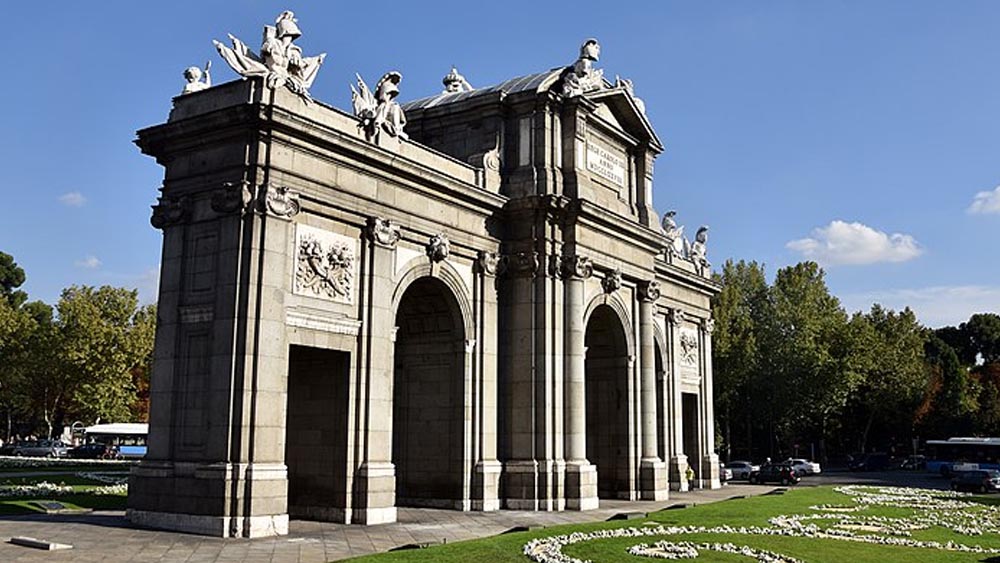
Puerta de Alcalá is a legendary gate and iconic symbol located in the center of Madrid. This neoclassical-style structure is one of the city’s most important and renowned monuments.
The construction of Puerta de Alcalá began in the late 18th century during the reign of King Carlos III of the Bourbon Dynasty and was completed in 1778. The gate was designed as part of Madrid’s old city walls and served as an entrance gate.
This enchanting gate is built in neoclassical style and draws inspiration from Roman architecture. It is designed with two large round arch passageways and a striking triangular pediment. It features columns and statues on either side. Overall, the gate’s elegant proportions and details showcase one of the finest examples of neoclassical style.
Puerta de Alcalá has played an important role throughout its history. When King Carlos III entered Madrid, he would pass through this gate. Additionally, the gate has become a central point for the city’s major events and ceremonies.
Today, Puerta de Alcalá is a tourist attraction that captivates visitors. With its iconic structure and historical significance, it has become a popular spot for photographers and tourists. The gate is often used as the starting point for tourist tours and walks.
Puerta de Alcalá is a prominent symbol of Madrid and an integral part of the city’s character. Exploring and capturing photographs of this legendary gate is an essential stop for those visiting Madrid to experience the city’s history and beauty up close.
Real Jardín Botánico: A Magnificent Garden for Botany Enthusiasts
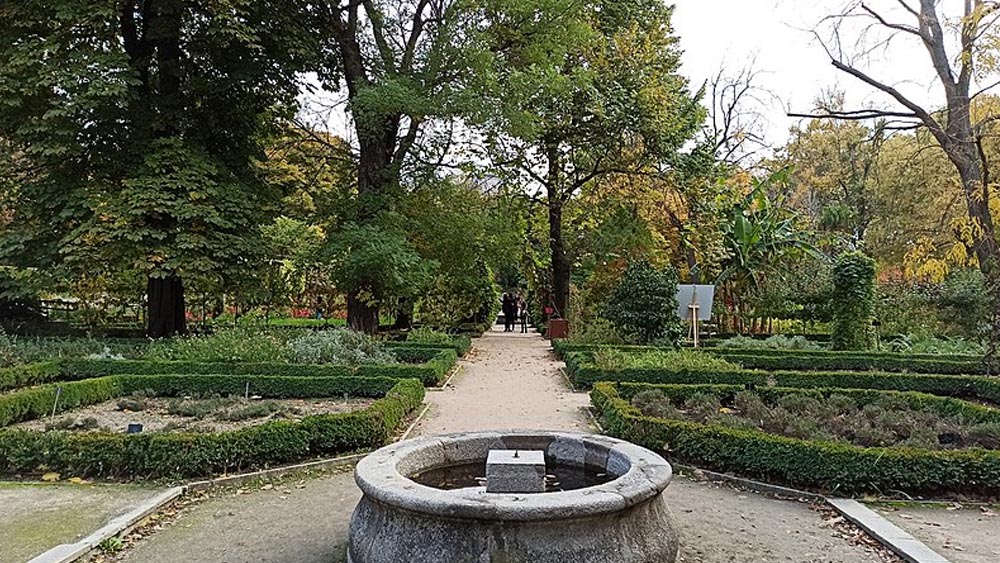
Real Jardín Botánico or the Royal Botanical Garden is a magnificent garden and botanical park located in Madrid. This garden is an excellent discovery point for nature lovers and plant enthusiasts.
The roots of Real Jardín Botánico can be traced back to the 18th century. Established by King Ferdinand VI of Spain, this botanical garden was originally created for the cultivation and research of medicinal plants. Today, it is renowned for its efforts in preserving plant diversity and its activities in education and research.
The garden is situated in a vast area and hosts various plant collections. Thousands of plant species are displayed in different gardens and greenhouses. The botanical garden houses exotic plants, trees, flowers, herbaceous plants, and many other types. In addition to these plants, there are special collections such as fruit trees, plants cultivated for medicinal use, and endemic plant species.
Real Jardín Botánico is not just a place where plants are exhibited but also a beautiful outdoor space. Walking paths, benches, and seating areas provide visitors with the opportunity to explore and relax comfortably. The garden’s stunning landscape design allows visitors to discover the beauty of nature.
Furthermore, as part of Real Jardín Botánico, there is the Real Jardín Botánico Museum. The museum serves scientific and educational purposes with its specialized collections and exhibitions in the field of botany. In addition to plant specimens, the museum provides information on botanical research and history.
Real Jardín Botánico is a true paradise for nature lovers, plant enthusiasts, and photographers. Here, you can explore natural beauty, study different plant species, and spend time in a peaceful atmosphere. For visitors to Madrid, Real Jardín Botánico is a must-see place to experience the tranquility and beauty of nature.
Matadero Madrid: A Vibrant Cultural Center Where Art, Culture, and Creativity Meet
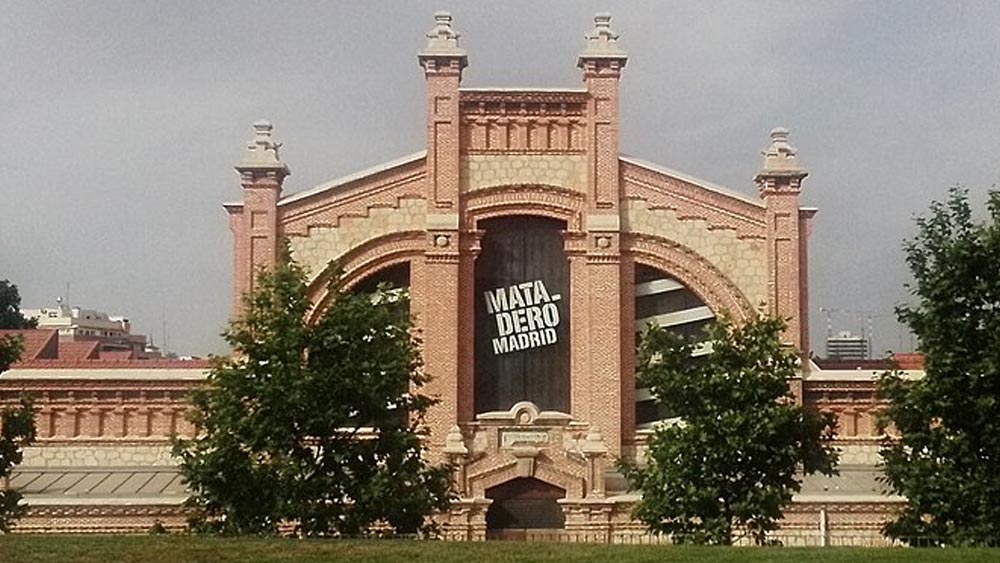
Matadero Madrid is a vibrant cultural center where art, culture, and creativity converge. Located in the Arganzuela district of Madrid, this historic industrial complex has been transformed into a modern cultural hub.
Matadero encompasses a large area where art from various disciplines is showcased, and a wide range of events are organized. Music, theater, dance, exhibitions, film screenings, and performance arts are just a few examples of the diverse activities that take place here. This variety offers visitors a rich cultural experience.
The exhibition spaces within the center serve as venues for displaying artworks and exploring the innovative and diverse aspects of contemporary art. They host the works of local and international artists, taking visitors on an artistic journey.
In addition, Matadero Madrid also hosts educational activities such as workshops, seminars, and conferences. These events provide interactive platforms for individuals interested in art, culture, and creativity to come together and share knowledge and experiences.
The cultural center is also a venue for outdoor events and performances. Its spacious open areas provide an excellent stage for concerts, dance shows, and theater performances. Visitors can enjoy a pleasant time in this lively atmosphere and watch performances by local and international artists.
Matadero Madrid is not only appealing to art and culture enthusiasts but also intriguing to anyone with a general curiosity. As a center where creativity, innovation, and cultural diversity converge, Matadero makes a significant contribution to Madrid’s vibrant cultural scene.
For visitors to Madrid, Matadero Madrid offers an excellent opportunity to explore different art disciplines, gain new ideas, and immerse themselves in the local cultural scene. The center provides a lively and dynamic atmosphere, offering visitors an unforgettable experience.
CaixaForum Madrid: Discover Art from the Past to the Future
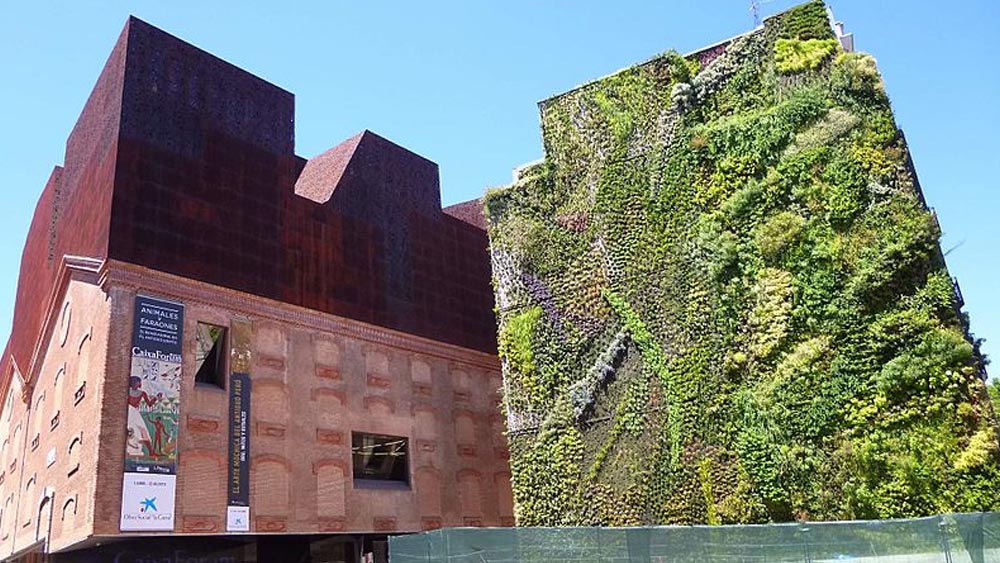
CaixaForum Madrid is a wonderful place to explore art from the past to the future. Located in Madrid’s Paseo del Prado district, this cultural center is a venue that showcases various artworks and hosts different artistic events.
CaixaForum is housed in a building with modern architecture and an eye-catching design. Inside the building, you can discover a variety of artworks and exhibitions that span from the past to the present. Paintings, sculptures, photography, video art, and many other art forms are displayed here. The exhibitions include works by internationally renowned artists and special collections.
CaixaForum Madrid also hosts various art events. Concerts, theater performances, dance shows, film screenings, and workshops are organized. These events provide an opportunity to explore and experience different disciplines of art.
Additionally, the center houses a bookstore and a gift shop. In these shops, you can find art books, handmade products, miniature artworks, and other related items. Thus, you can purchase something as a memento of your visit.
CaixaForum Madrid is an organization that also values education and community work alongside art. Therefore, various educational programs, seminars, and conferences are held. These activities aim to spread art to wider audiences and enhance the knowledge and experiences of those interested in art.
For visitors to Madrid, CaixaForum Madrid is a place that serves as a center for art and culture. Here, you can explore various artworks, participate in different art events, and experience the power of art. CaixaForum Madrid is an important destination to be visited by art lovers and culture enthusiasts.
Las Ventas Bullring: A Famous Arena for Bullfighting
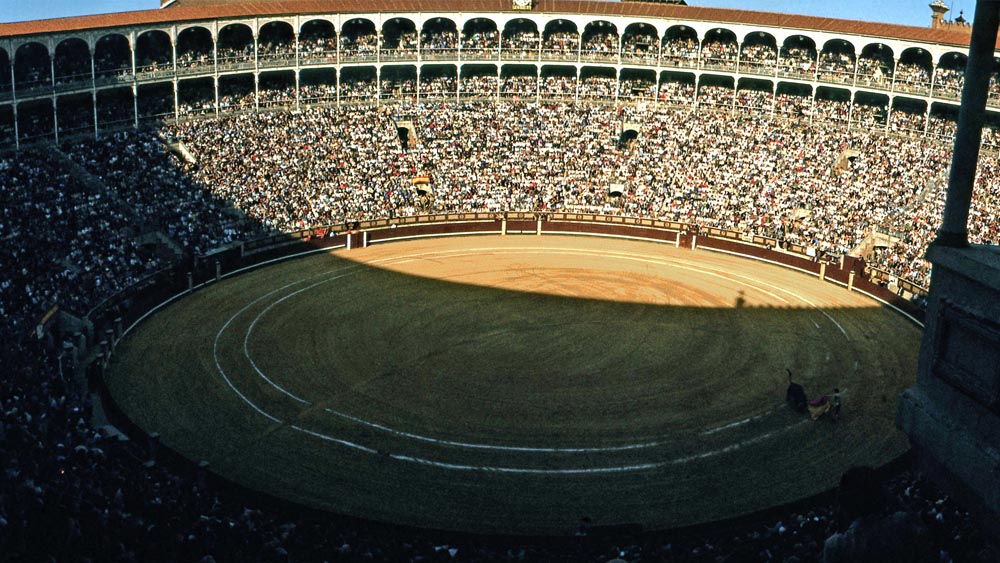
Las Ventas Bullring is a famous arena located in Madrid and is an important venue where bullfighting takes place. Popular among both locals and tourists, this arena serves as a center that preserves and showcases Spain’s bullfighting tradition.
Las Ventas Bullring boasts an impressive neo-Mudéjar-style architecture. Inside, there is a large stage that can accommodate up to 23,000 spectators. The arena regularly hosts bullfighting shows throughout the year. These shows are events where bullfighting enthusiasts come together, and thrilling moments unfold.
Bullfighting is one of Spain’s traditional sports and holds cultural significance. The shows at Las Ventas Bullring present the spectators with a part of the Spanish bullfighting tradition. Skilled bullfighters, known as matadors, engage in battles with bulls in front of a large audience.
Las Ventas Bullring is not only used for bullfighting shows but also hosts other events. Concerts, dance performances, festivals, and other special events are organized here. The arena serves as a versatile venue, providing a suitable environment for various artistic activities.
However, bullfighting is a controversial subject and can be concerning from an animal rights perspective for some individuals. Therefore, the interest in and use of Las Ventas Bullring can be a matter of debate.
For visitors to Madrid, Las Ventas Bullring offers an intriguing experience for those interested in witnessing Spain’s bullfighting tradition. However, if you have sensitivities or do not support such events, you can explore other options in Madrid to discover alternative activities and venues.
Sorolla Museum: Explore the Works of Joaquín Sorolla, a Renowned Spanish Painter
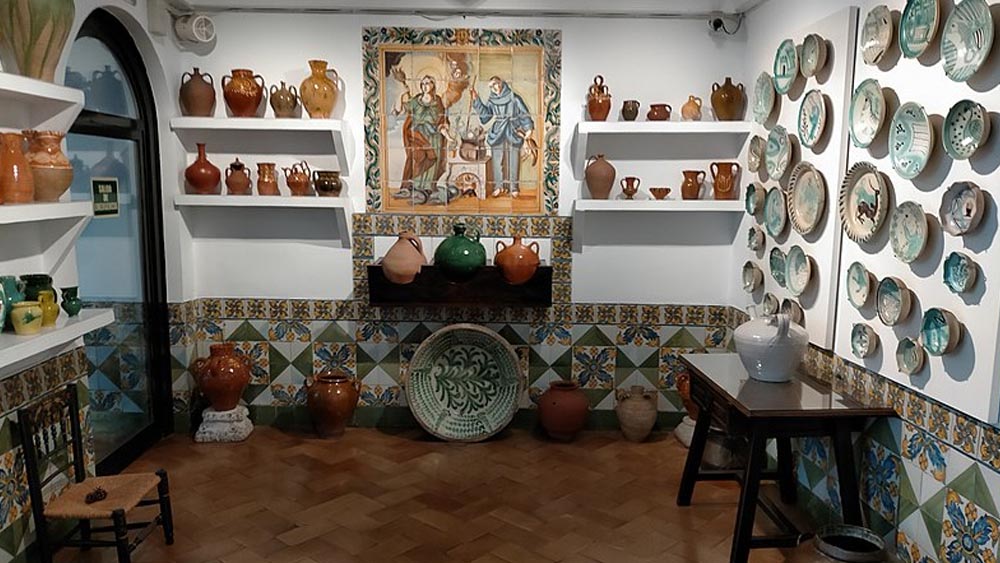
Museo Sorolla is a museum that showcases the works of Joaquín Sorolla, a renowned Spanish painter. Located in Madrid’s Chamberí neighborhood, this museum has become an important stop for those who wish to familiarize themselves with Sorolla’s works and witness his impressive paintings.
Joaquín Sorolla was a significant painter in Spain during the late 19th and early 20th centuries. He is particularly famous for his seascapes, beach scenes, and mastery of light. Through his unique style and vibrant color palette, he creates an uplifting and lively atmosphere. Sorolla’s artworks reflect the beauty of Spain, sunny landscapes, and moments of everyday life.
Museo Sorolla presents Joaquín Sorolla’s works through a comprehensive collection. In addition to his paintings, the museum exhibits other artworks and objects such as sketches, drawings, and personal belongings. The exhibition spaces offer visitors an opportunity to explore the development and diversity of Sorolla’s art.
Moreover, visitors can also explore the artist’s studio, which provides a glimpse into Sorolla’s personal life and working environment. Preserved with its original furniture and decor, the studio offers visitors an understanding of the artist’s creative process.
Museo Sorolla is a significant cultural destination for both art enthusiasts and anyone interested in Sorolla’s works. The museum offers visitors a chance to discover the works of a leading figure in Spanish painting and gain a closer look at his artistic legacy. Viewing Joaquín Sorolla’s vibrant colors and emotional touches provides an unforgettable experience and allows visitors to appreciate his contributions to the world of Spanish art.
Parque Warner Madrid: An Exciting and Thrilling Theme Park Experience

Parque Warner Madrid is a theme park located in the south of Madrid, the capital of Spain. This park is famous for offering a plethora of attractions and activities that provide entertainment, adventure, and adrenaline-filled experiences.
Parque Warner Madrid is a theme park created in partnership with Warner Bros. The park is decorated with Warner Bros. characters, film scenes, and themes. Here, you can meet famous Warner Bros. characters such as Batman, Superman, Looney Tunes characters, Harry Potter, and many more.
The park features various entertainment and adventure attractions. For example, there are thrilling roller coasters, water attractions, haunted houses, simulators, and many other impressive activities. These attractions, designed for thrill-seekers, offer moments filled with speed, height, and excitement.
Parque Warner Madrid also offers special areas and attractions for children. Kids can have a fun-filled day with small roller coasters, water parks, children’s play areas, and themed activities.
Additionally, the park hosts live shows, themed performances, and animations. Events such as dance shows featuring Warner Bros. characters, visits from costumed characters, and fiery shows provide visitors with unforgettable experiences.
Parque Warner Madrid is an excellent entertainment center for families, couples, and groups of friends. The park also offers food and beverage options, allowing visitors to recharge their energy and enjoy a pleasant day.
For those visiting Madrid, Parque Warner Madrid is a great option to experience an exciting and adventurous theme park. You can visit this park for thrilling attractions, live shows, and memorable moments, immersing yourself in the magical world of Warner Bros. characters.
Madrid Rio: A Park Filled with Riverside Walkways and Recreational Areas
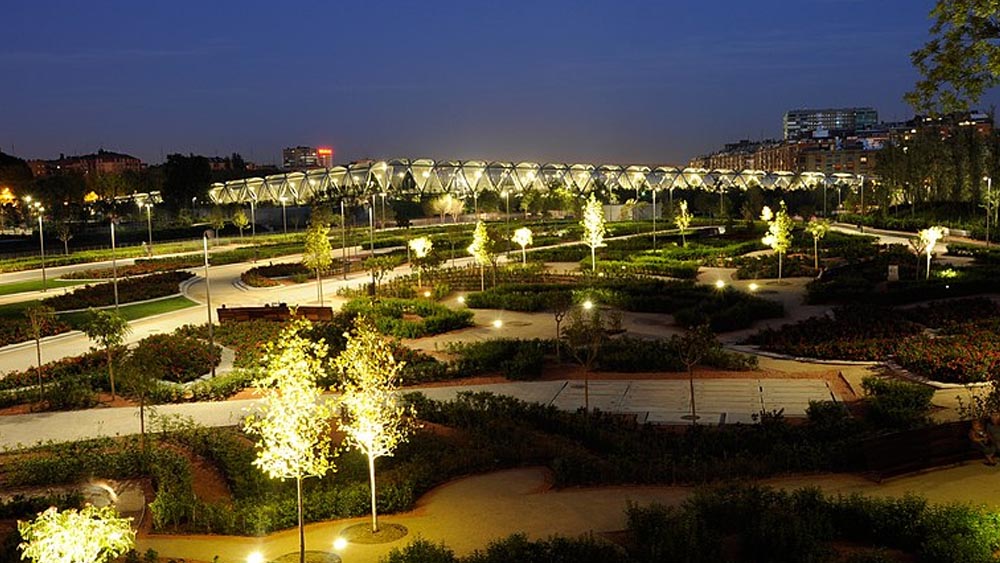
Madrid Rio is a wide park and recreational area that stretches along the Manzanares River in Madrid. This park offers visitors the opportunity to engage in walks, relaxation, and various activities in a natural environment.
The walking paths, bicycle lanes, and running trails of Madrid Rio allow visitors to enjoy pleasant movements along the river. The park’s extensive green areas provide opportunities for picnics, sunbathing, or simply enjoying nature.
The park also features playgrounds, outdoor sports areas, sports fields, and fitness equipment for children. You can engage in sports such as basketball, soccer, volleyball, or exercise. The park also has dedicated areas for skateboarders and skaters.
Bridges spanning the Manzanares River connect different areas of the park, allowing you to enjoy beautiful views while walking on the river. The ponds and fountains in the park create a peaceful atmosphere and offer a great option for cooling off.
Madrid Rio is also filled with cafes, restaurants, and ice cream parlors. You can grab a delicious snack or a refreshing drink in these places. The park also hosts outdoor concerts, theater shows, and exhibitions as part of its organized events.
Madrid Rio is a popular spot for both locals and visitors to spend relaxing time immersed in nature. You can enjoy walks along the river, go biking, engage in sports, or simply relax and have a beautiful day. It is a great option for those seeking to escape the bustling city life of Madrid and savor the beauty of nature.
Paseo del Prado: A Famous Boulevard Filled with Historic Buildings, Statues, and Grand Avenues
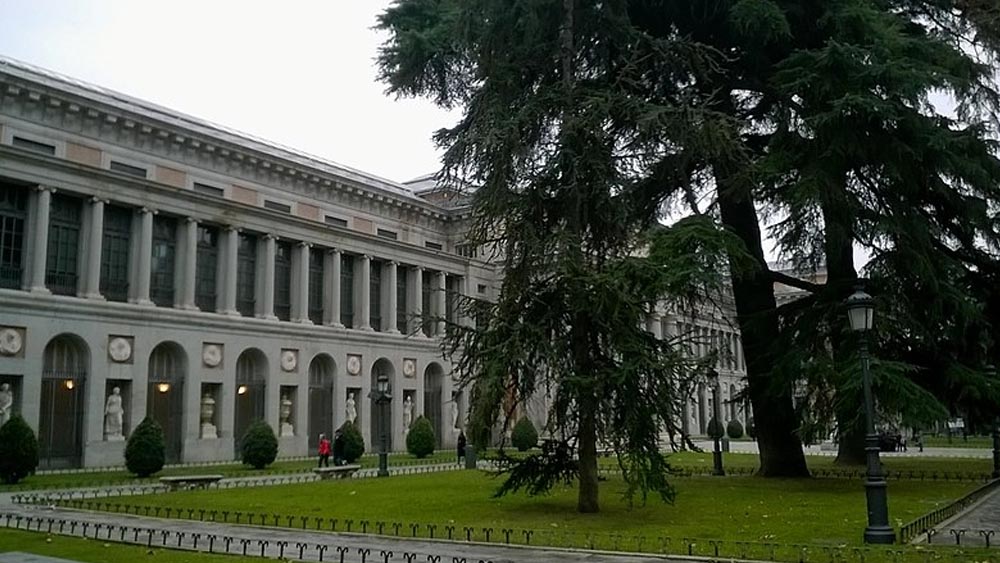
Paseo del Prado is one of the most famous boulevards in Madrid and is considered the cultural and historical center of the city. This enchanting boulevard is filled with historic buildings, statues, art galleries, and grand avenues.
Located in the historic center of Madrid, Paseo del Prado is home to many important tourist attractions. One of the most famous structures along the boulevard is the Museo del Prado. The Museo del Prado is recognized as one of the world’s most important art museums and houses thousands of artworks from various periods.
While strolling along Paseo del Prado, you will also come across other notable buildings that catch your attention with their impressive architecture, such as the Thyssen-Bornemisza Museum and the Reina Sofia Museum. These museums exhibit significant examples of world art and offer visitors a rich art experience.
The boulevard features wide sidewalks adorned with grand avenues, beautifully landscaped areas, and sculptures. Adjacent to Paseo del Prado, El Retiro Park provides visitors with opportunities for relaxation and tranquility with its green spaces, ponds, and magnificent gardens.
Paseo del Prado is also adorned with historic buildings and structures. For instance, the Cibeles Fountain, located in Cibeles Square and symbolizing Spain, is one of the boulevard’s iconic structures. Additionally, magnificent edifices such as Buenavista Palace and the Banco de España building line the boulevard.
Paseo del Prado is a symbol of Madrid’s historical and cultural heritage. This boulevard, with its grand buildings, art galleries, and statues, offers visitors a captivating atmosphere. A popular attraction for both locals and tourists, Paseo del Prado is a must-visit place for anyone interested in exploring Madrid’s rich cultural and artistic fabric.